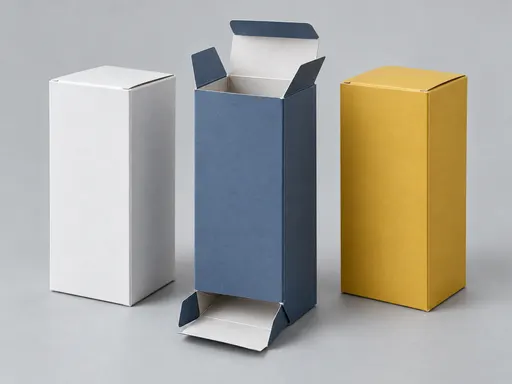
How to Choose a Box Style by Closure, Load and Assembly
Compare tuck-end, snap-lock, auto-bottom, mailer, drawer and rigid closures using pack-out time, load and opening needs.
Choose a box style by how the box will be filled, how much it must carry and how the buyer opens it. Start with a physical sample of the packed product and run the closing action before choosing a material or a printed finish.
Decide how the box is assembled
| Structure | Good fit | Check before ordering |
|---|---|---|
| Tuck-end carton | A light retail unit that slides easily into the opening | Whether the loaded product can push out the bottom tuck |
| Snap-lock bottom | A hand-packed unit that needs a more secure base | The fold sequence and stability after every tab locks |
| Auto-bottom carton | Repeated pack-out where assembly time matters | How consistently the glued base forms when squared |
| Slotted shipper | A parcel or outer case closed with tape | Flap coverage, seam strength and the loaded stack |
| Corrugated mailer | Compact ecommerce orders with an opening reveal | Clearance around doubled sidewalls and the front tuck |
For a short run, compare snap-lock bottom cartons and pre-glued auto-bottom boxes using the same product. Record the time to pick up the blank, form it, load it and check the closure. The cheapest blank may take longer to assemble or lead to more rework.
Decide what happens after the lid opens
A book-style cover stays with the box and can show printed instructions inside. A shoulder-neck collar centers the lid and controls how it comes off. A sleeve and tray suit a shallow pack where the customer pulls the product out from one side. Test the opening with final board and finish, because extra wrap or coating can change the clearance.
For individually wrapped products taken one at a time, a dispenser carton needs an aperture that works with the first and last unit. For a shallow multipack, a roll-end tray can add stiffness to the edges. In either case, test the way the carton is carried as well as the way it opens.
Run three practical checks
- Close a sample with the heaviest unit inside and inspect the base from underneath.
- Ask someone unfamiliar with the carton to assemble it. Note the step where they pause or fold the wrong flap.
- Open the finished box in its intended position. Check whether a shelf, wall or tabletop blocks the lid or drawer.
Compare the box styles and closures that fit these checks, then put the closure and intended opening direction in the quote brief.
Choosing a box closure is one of our packaging guides fromCustom Boxes, written to help you specify custom snap lock bottom boxes and every other format in our range of custom box types.