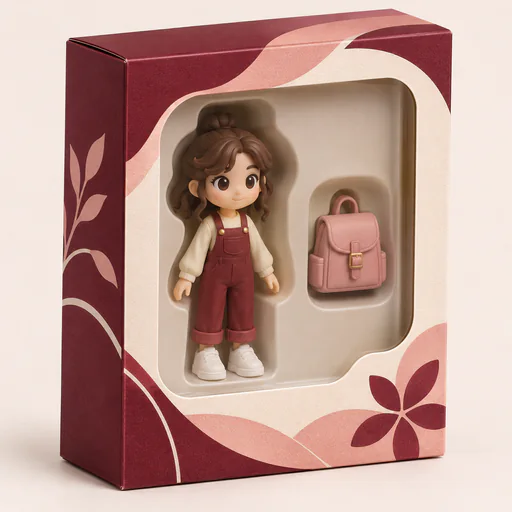
Toy and Game Packaging
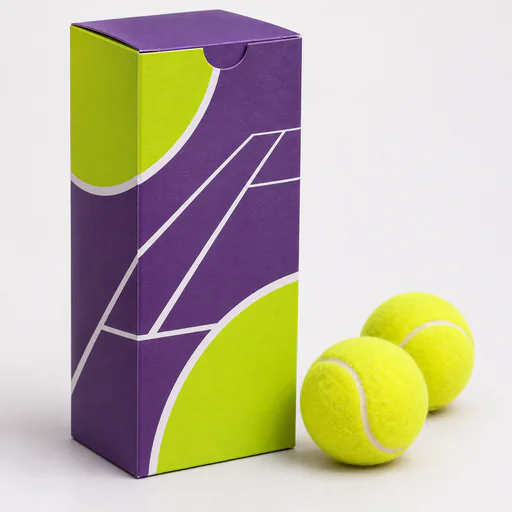
Toy and game packaging displays or conceals the product, protects small parts and makes it easy to repack. Choose the construction around the actual figure, board, deck or kit.
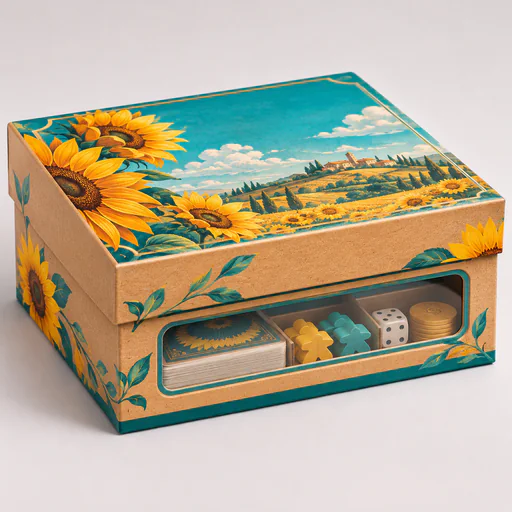
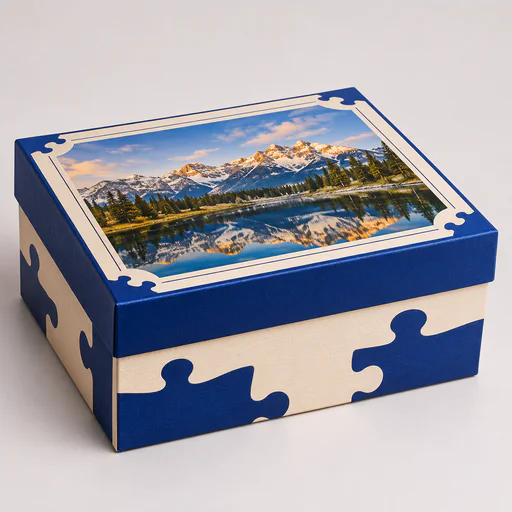
Toy and game packaging has to win attention on a shelf full of color, survive handling by children and adults, and hold many small parts in order. Board games and puzzles need a sturdy lid and base; action figures and dolls need a window and a tray that hold them in pose.
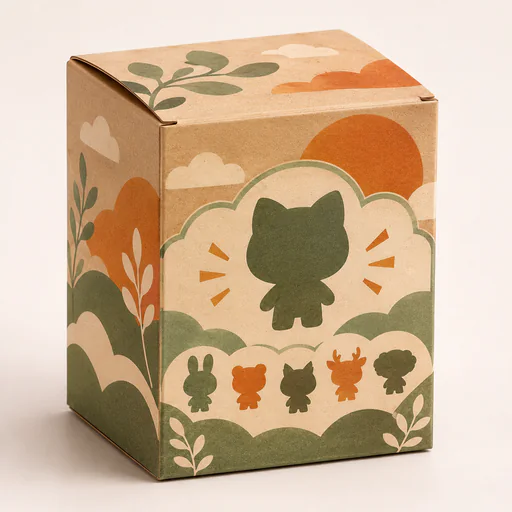
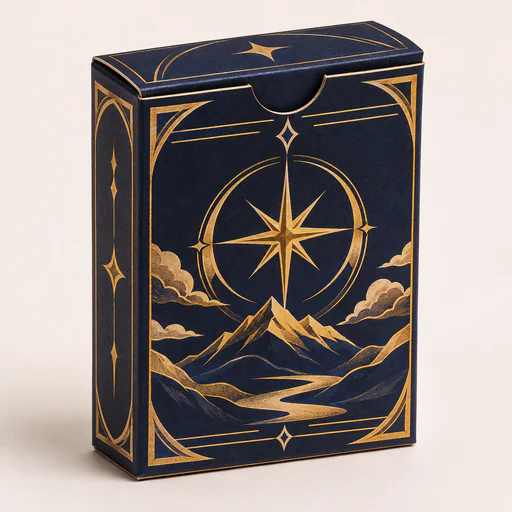
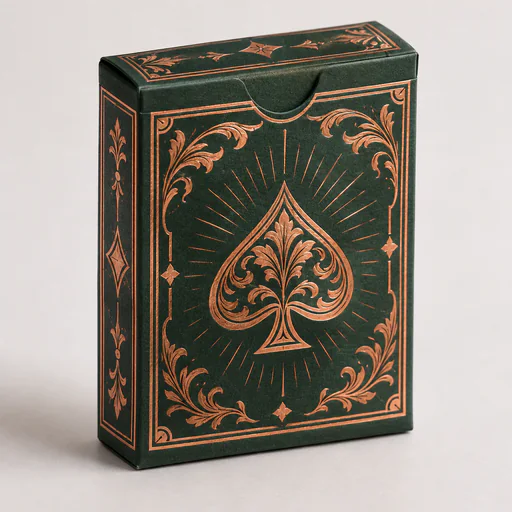
Rigid two-piece boxes are the standard for games and puzzles; folding cartons with windows and inserts suit figures, dolls and small toys. Trading and playing card boxes use small tuck cartons sized to the deck.
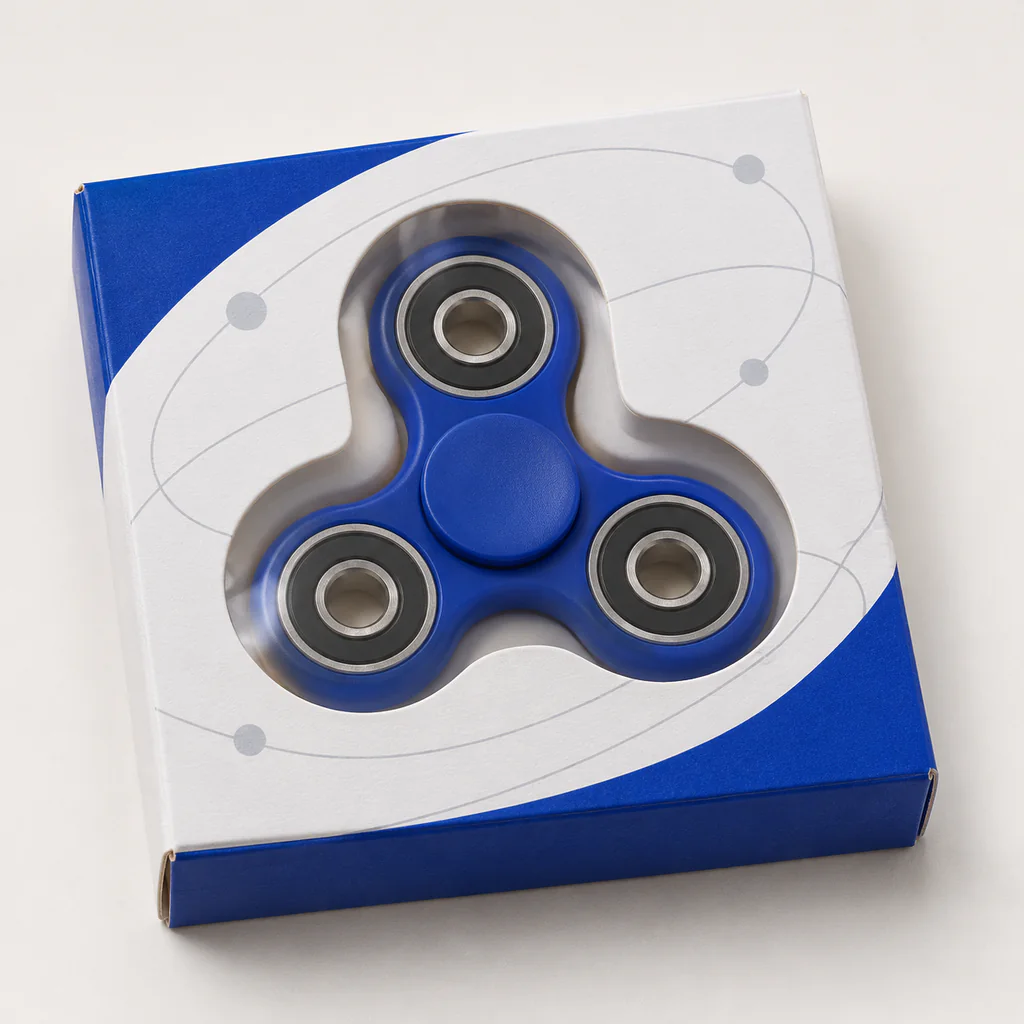
Recommended packaging styles
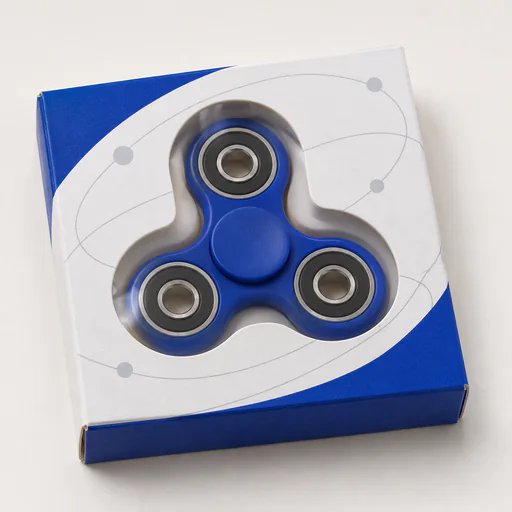
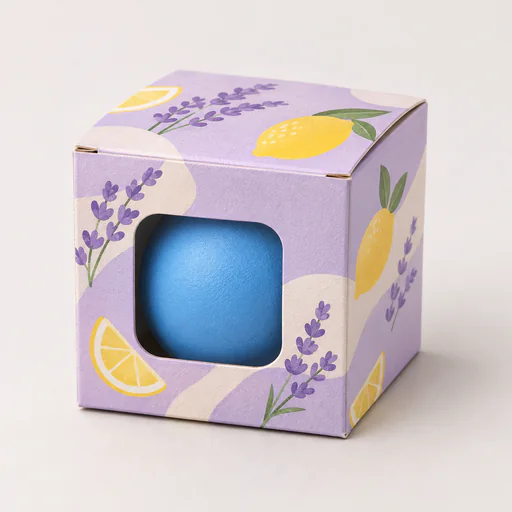
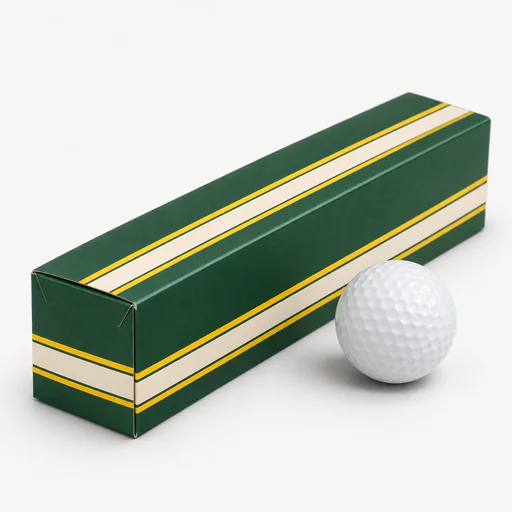
Explore the box styles in this range, then choose the dimensions, board and finish for your product.
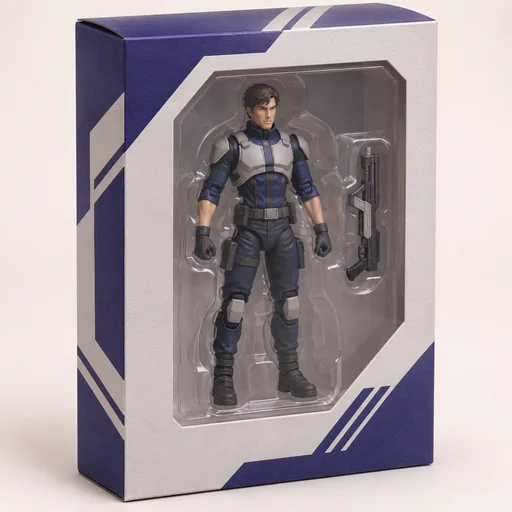
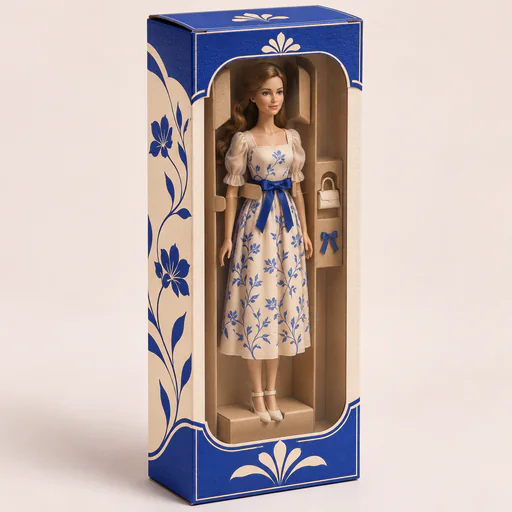
Materials and options
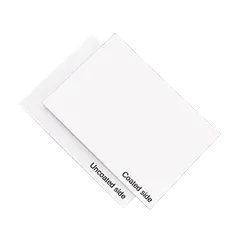
Coated paperboard
A smooth surface for full-color artwork on folding cartons and sleeves.
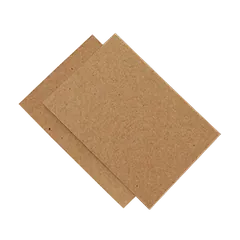
Kraft board
A natural finish for printed cartons. Check how your ink looks on the brown stock.

Foil stamping
Add a metallic detail to a logo or motif. Use a proof to check fine lines and placement.
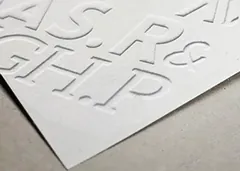
Embossing
Raise a detail on the surface. Confirm that it clears inserts and creases.
Compare every board, coating, finish and add-on in the packaging Option Library.
Buying guide
Match the tray to how the product is used
A figure should be supported by sturdy body points with fragile details clear of the walls. Board games need a tray layout that accounts for folded boards, token storage and sleeved decks.
For puzzle boxes, allow enough space for the complete loose-piece volume and use the lid as a reference face. For a mystery range, use opaque stock and check that the different contents do not change the appearance of the carton.
Check the shelf and opening requirements
Keep windows away from weak folds and verify the strength of the remaining frame. Set the hang tab using the loaded center of mass, not the unloaded carton.
Leave room for age and product details supplied by the brand. Check that the owner’s approved artwork still reads on the assembled box.
Hold every part in place
List every component and decide where each one sits. Trays with wells for pieces, cards and dice keep a game tidy after the first play and stop parts rattling in transit.
For figures and dolls, the insert holds the toy in its display pose behind the window. Test a sample on its side and upside down.
Leave room for age and safety text
Age grading, warnings and contents lists are required on many toys. Place them on a panel that stays visible at the shelf, in a readable size.
You are responsible for the safety testing and the required statements; we print the approved artwork and check that small text stays legible.
Guides for this range
Toy and Game Packaging is one part of the range made by Custom Boxes. Compare every format on the custom box types page, or browse packaging by industry.
Toy and Game Packaging questions
Can sleeves fit inside a standard deck box?
Measure the sleeved deck, including seams and the total stack height. It often needs a different depth.
What if a toy has several small accessories?
Use separate pockets or a closed compartment and test the entire kit with the box tipped.