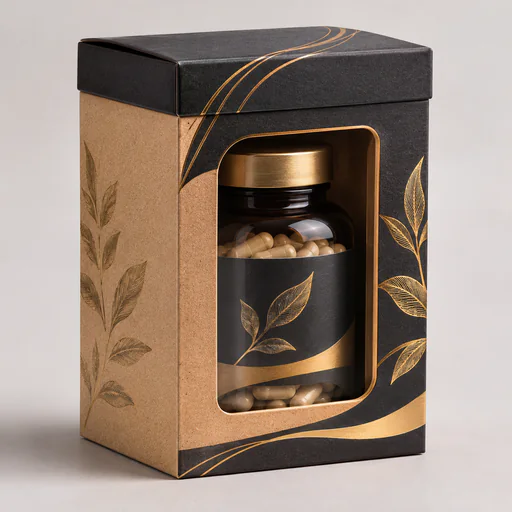
Health and Wellness Packaging
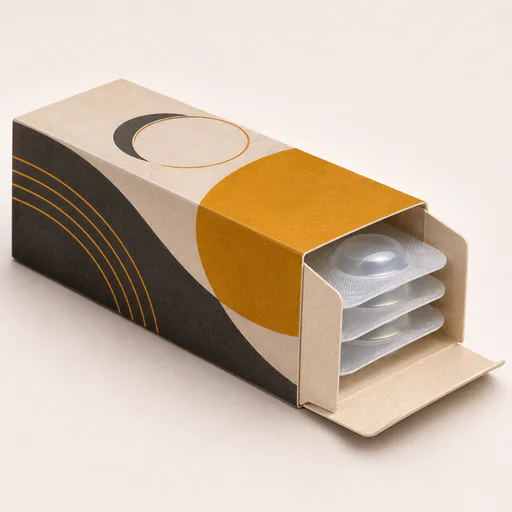
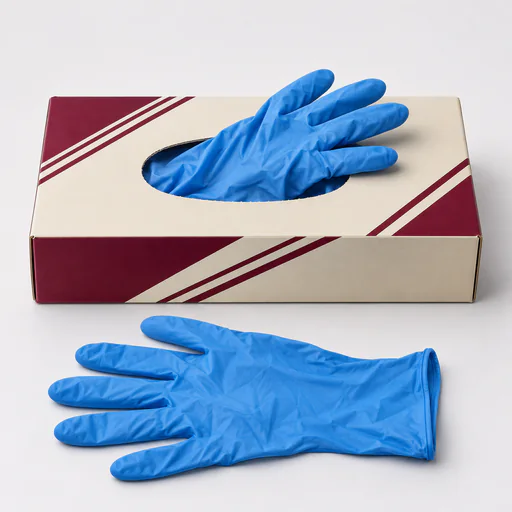
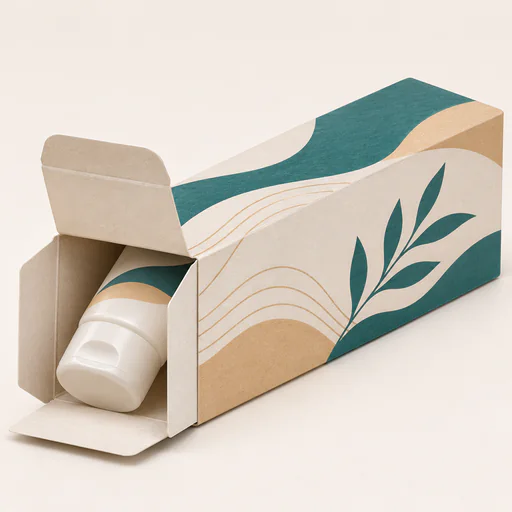
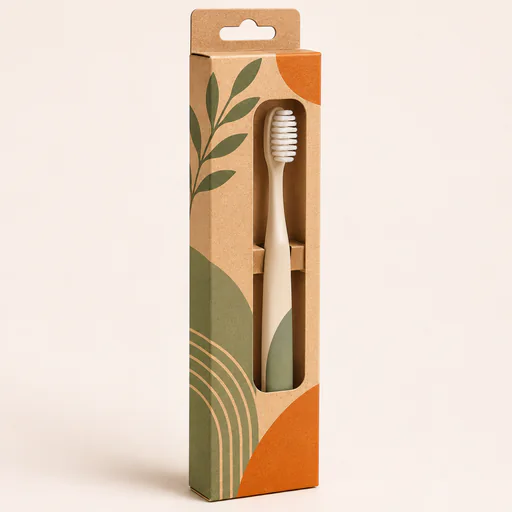
Use printed outer cartons for sealed wellness products and test kits. Start with the primary pack, then plan component order, easy identification and approved information panels.
Health and wellness packaging is read closely. Customers look for the dose, the count, the ingredients and the directions, and retailers expect that information to be clear and correctly placed. The carton also has to protect a bottle, blister, tube or sachet and keep it upright on a pharmacy shelf.
Most products in this category use folding cartons in white board, because it prints small type and color codes accurately. Tamper-evident closures, such as seal ends or tear strips, show the customer the pack has not been opened.
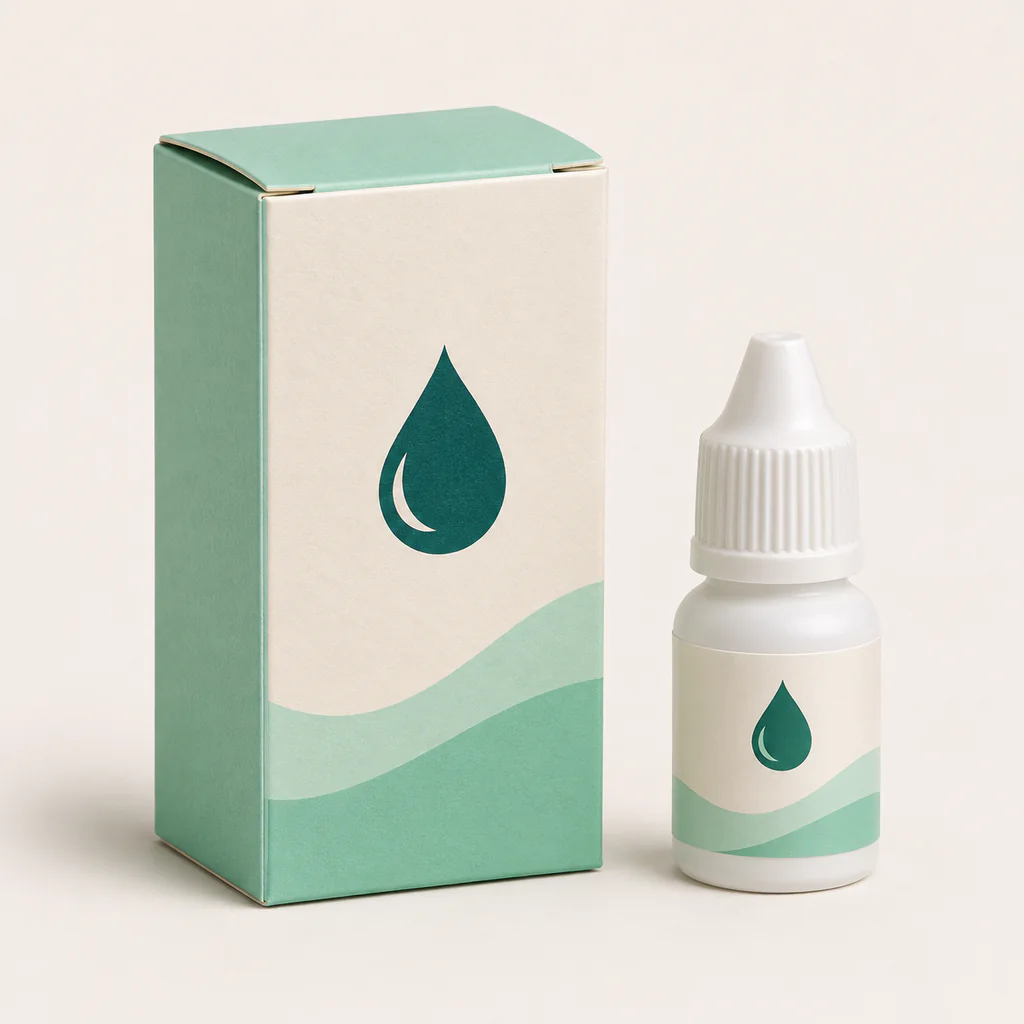
Recommended packaging styles
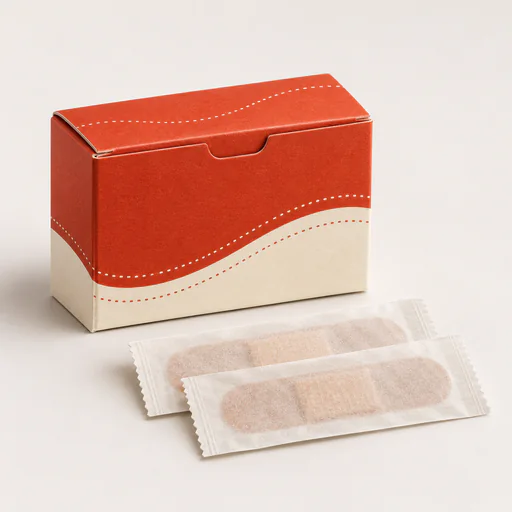
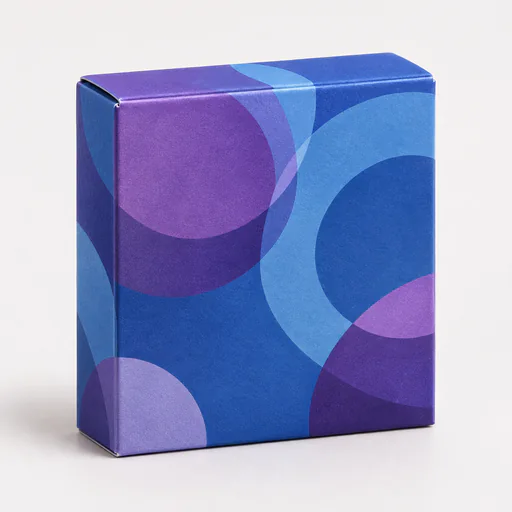
Explore the box styles in this range, then choose the dimensions, board and finish for your product.
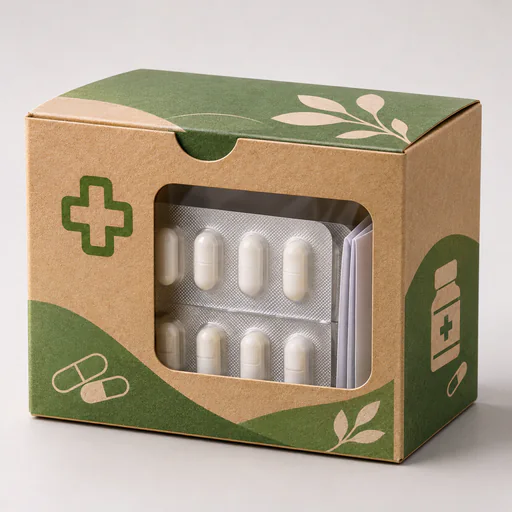
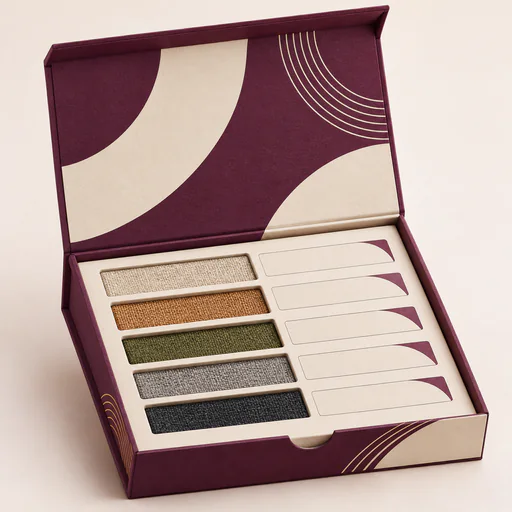
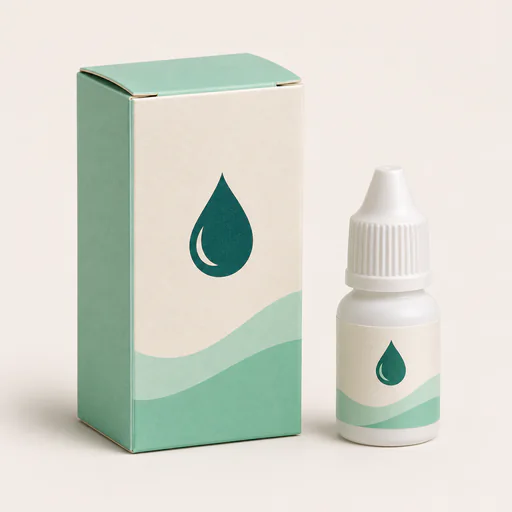
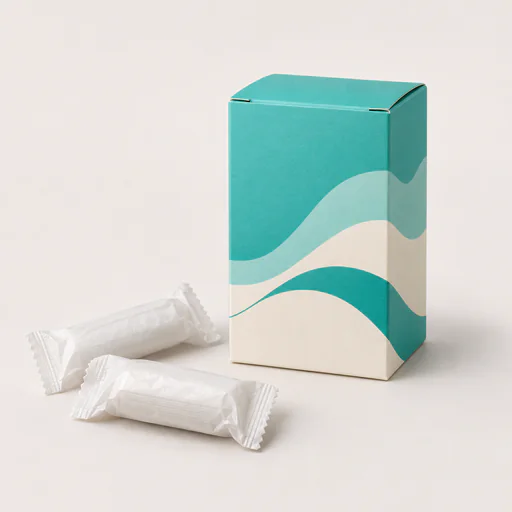
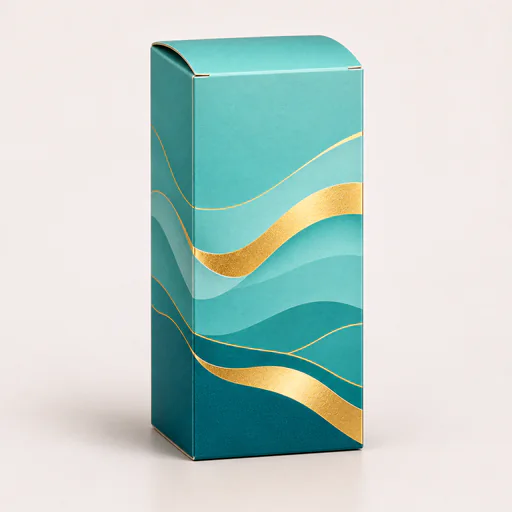
Materials and options
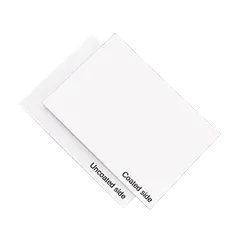
Coated paperboard
A smooth surface for full-color artwork on folding cartons and sleeves.
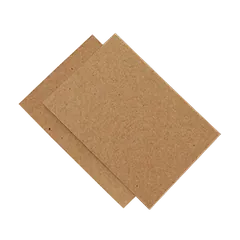
Kraft board
A natural finish for printed cartons. Check how your ink looks on the brown stock.

Foil stamping
Add a metallic detail to a logo or motif. Use a proof to check fine lines and placement.
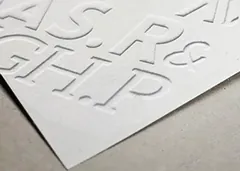
Embossing
Raise a detail on the surface. Confirm that it clears inserts and creases.
Compare every board, coating, finish and add-on in the packaging Option Library.
Buying guide
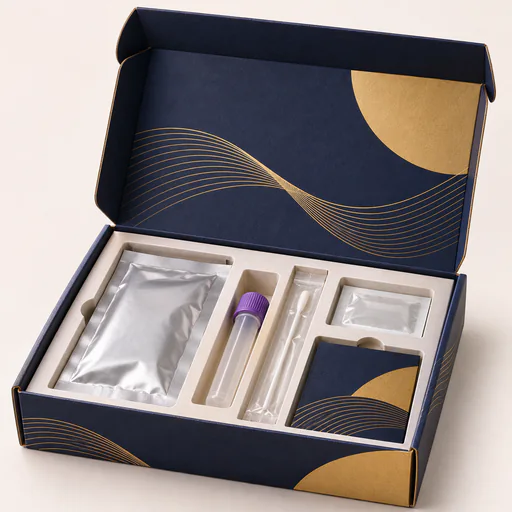
Lay out the kit in the order people use it
Keep hard components away from pouch seals. Put vials and narrow tools in shaped channels so they cannot rotate or slide into other parts. Make instruction sheets easy to find without disturbing the contents.
Send the sealed product samples along with the approved print layout. If the outer carton is only a secondary pack, confirm any sterile barrier, child-resistant closure or sensitive-product requirement separately.
Design for pack-out and identification
Reserve a plain area for variable lot and expiry information where applicable. Do not place it on a tucked flap or coating that prevents printing. Review a fully printed and closed carton for legibility.
Where variants share a box footprint, compare the smallest and heaviest configurations and make identifiers easy to read at the end of the packing line.
Lay out the information before the design
Place the product name, strength or count, directions and required statements first, then fit the brand around them. Small type needs contrast and should not cross a fold or glue flap.
If one carton style serves several strengths or flavors, use a color band or a clear number on the front so customers can tell them apart at a glance.
Choose closures that show tampering
A seal end glued shut after filling, or a tear strip that has to be torn to open, shows whether a pack has been opened. Tuck ends are easier to refill and suit products sold behind a counter.
You are responsible for the regulatory content of the artwork. We print the approved file and check that small text stays legible on the proof.
Guides for this range
Health and Wellness Packaging is one part of the range made by Custom Boxes. Compare every format on the custom box types page, or browse packaging by industry.
Health and Wellness Packaging questions
Can a retail carton serve as a sterile barrier?
A standard outer carton is a secondary pack. Specify the primary barrier and intended use with the product owner.
Can the same dieline serve a range of bottles?
Yes if the sealed bottles fit the same supports. Adjust the print and check each closure and packed weight.