
Custom retail packaging
Custom retail packaging is printed packaging designed to sell a product on a store shelf, peg or counter. It protects the product, attracts attention among competitors and carries the barcode, product details and compliance text a retailer requires.
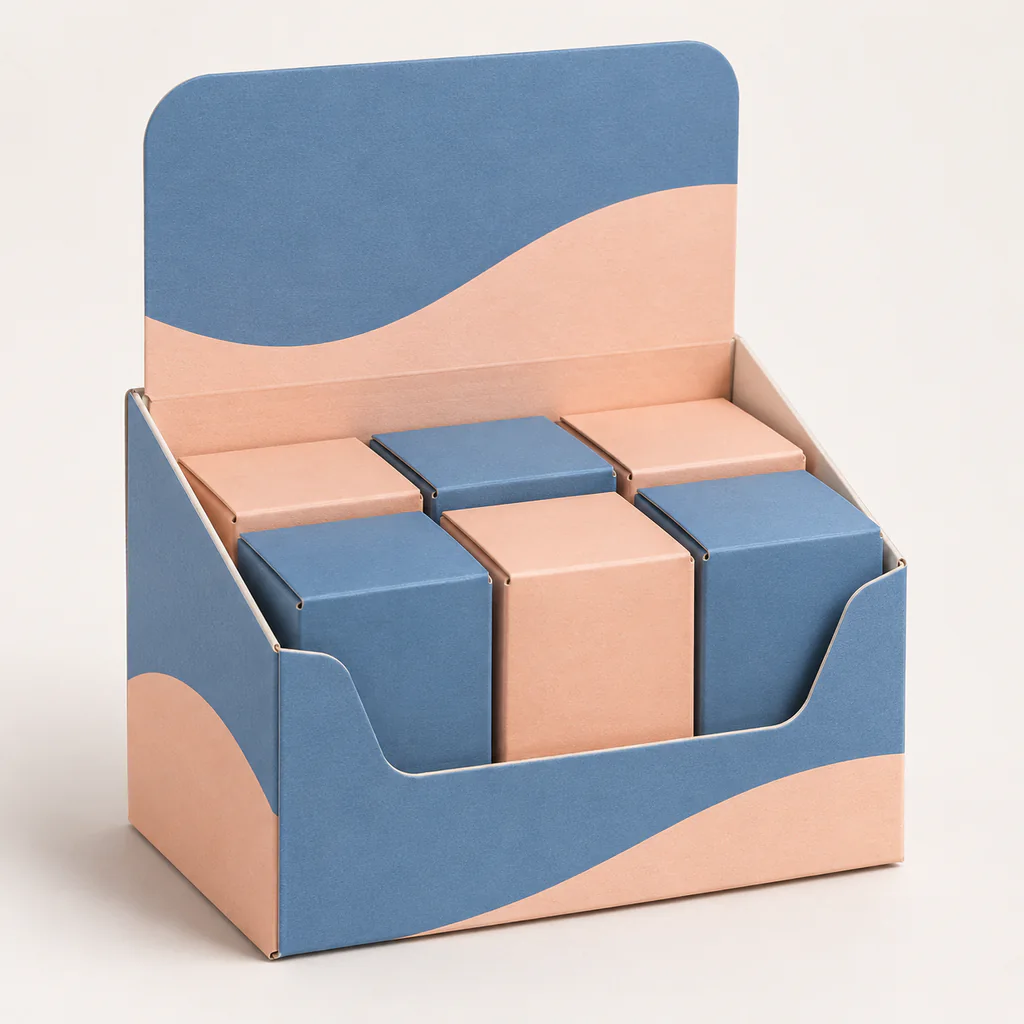
Recommended packaging styles
Explore the box styles in this range, then choose the dimensions, board and finish for your product.
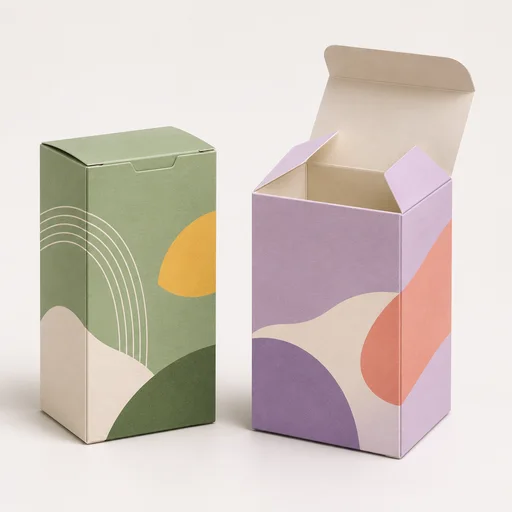
Custom Folding Cartons
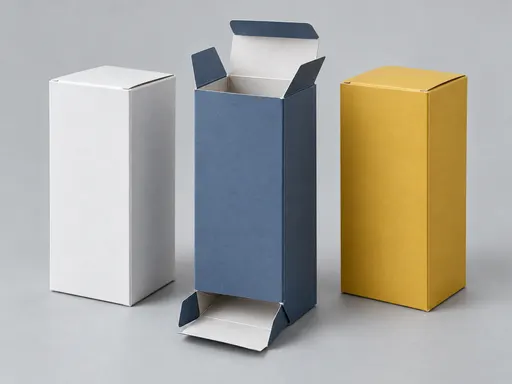
Custom Tuck End Boxes
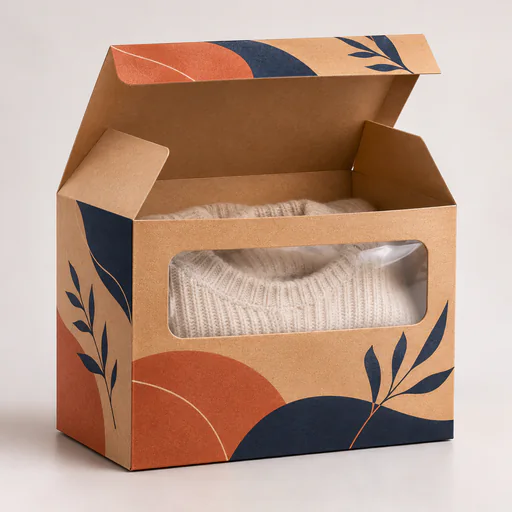
Custom Auto Bottom Boxes
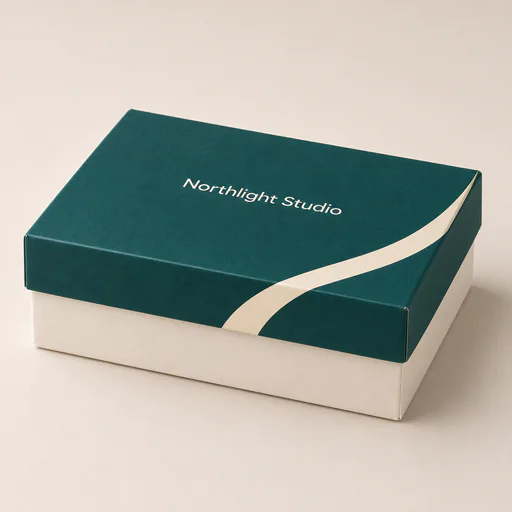
Custom Promotional Boxes
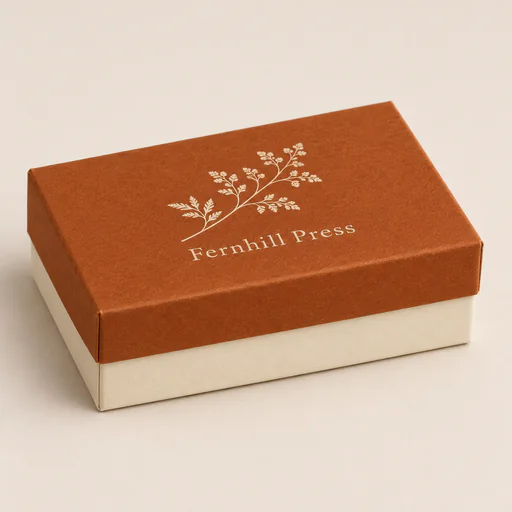
Custom Business Card Boxes
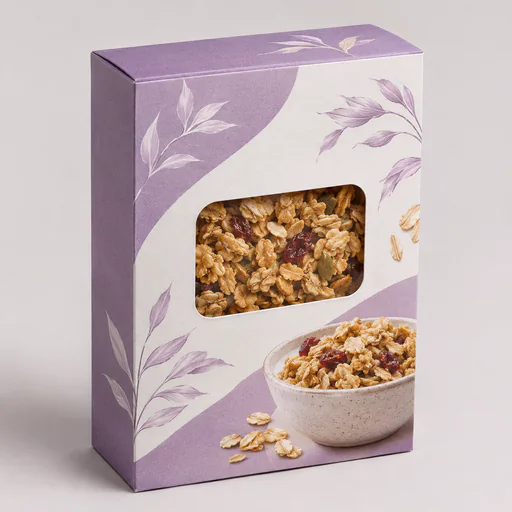
Custom Seal End Boxes
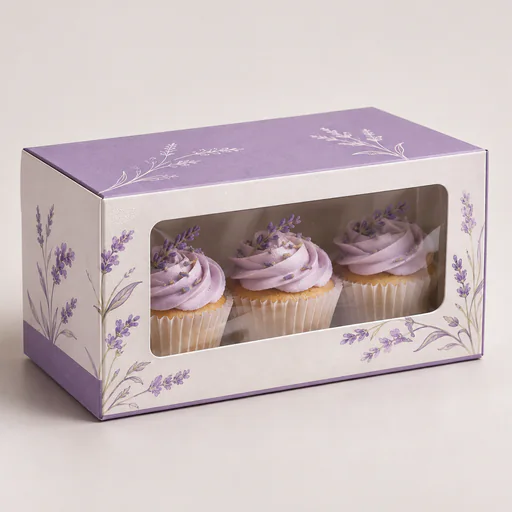
Custom Window Boxes

Custom Display Boxes
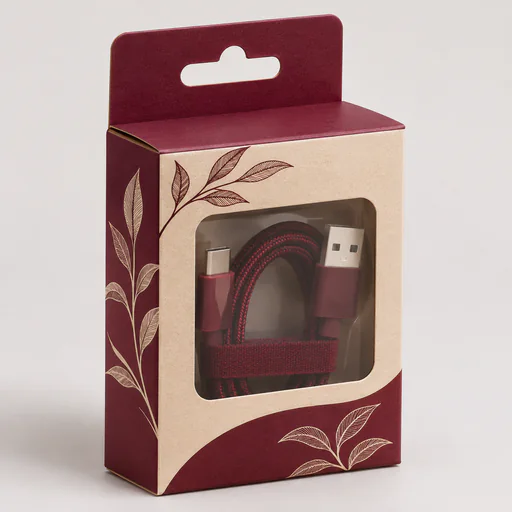
Custom Hanger Boxes
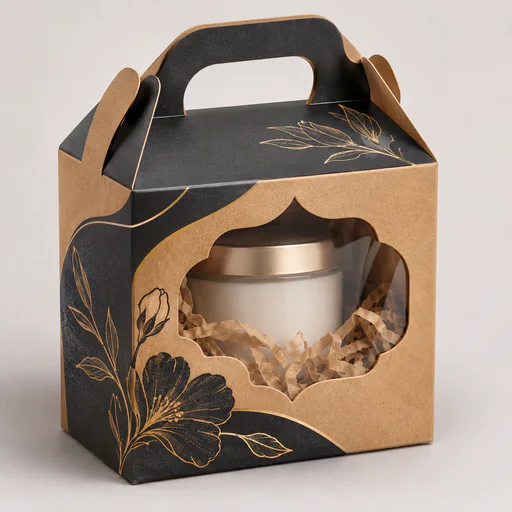
Custom Die Cut Boxes
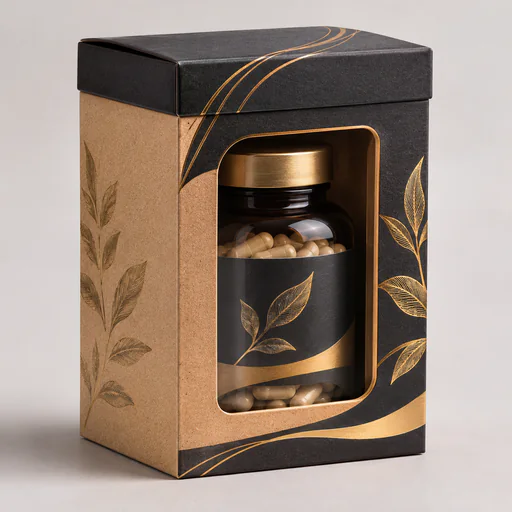
Custom Supplement Boxes
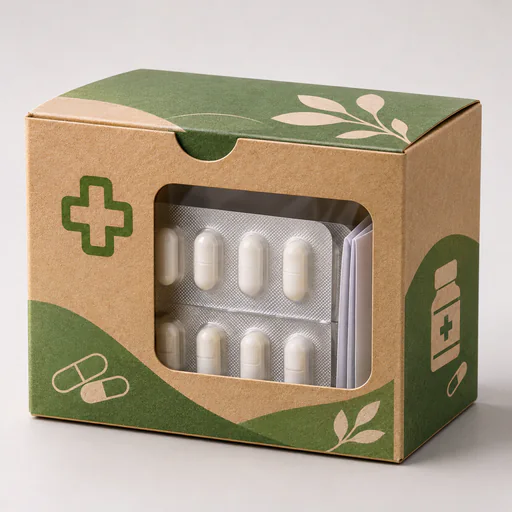
Custom Pharmaceutical Boxes
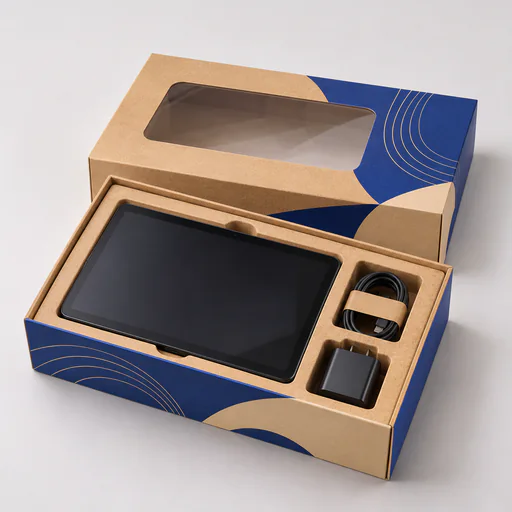
Custom Electronics Boxes
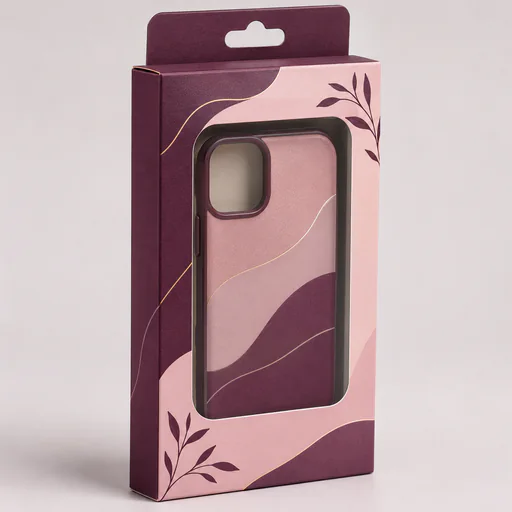
Custom Phone Case Boxes
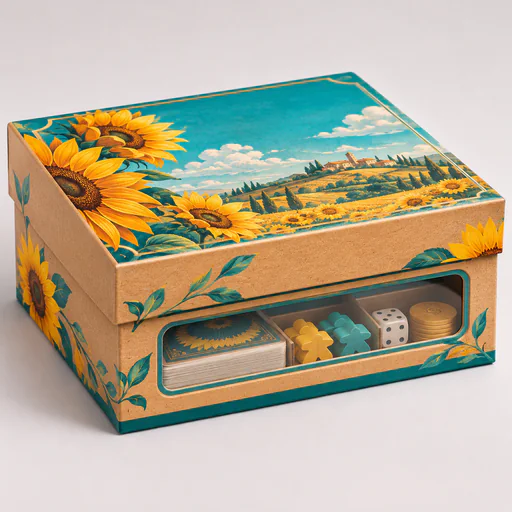
Custom Game Boxes
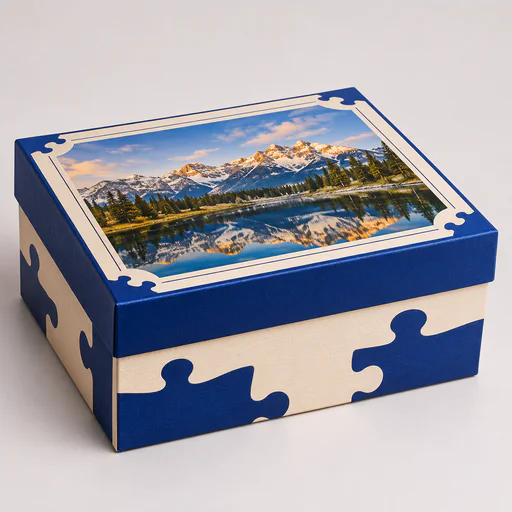
Custom Puzzle Boxes
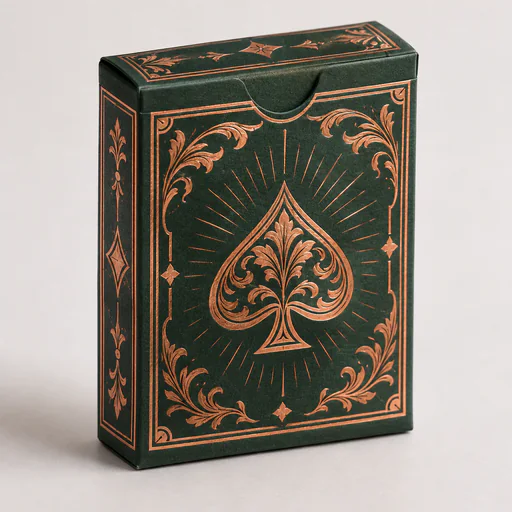
Custom Playing Card Boxes
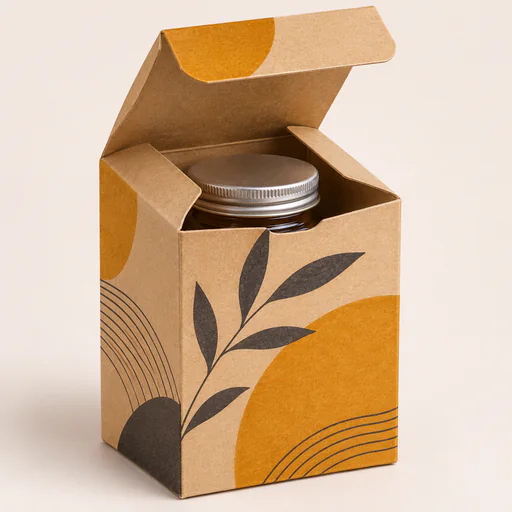
Custom Snap Lock Bottom Boxes
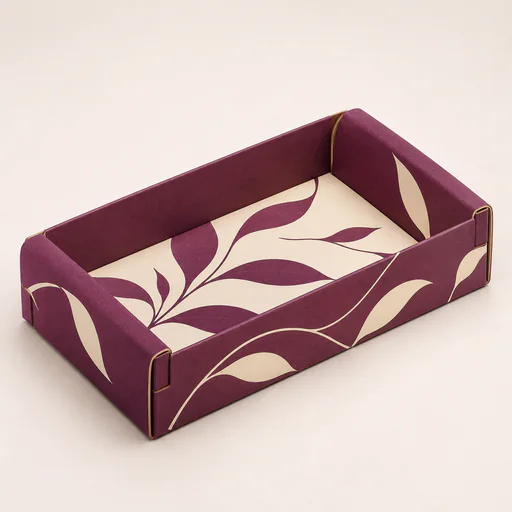
Custom Tray Boxes
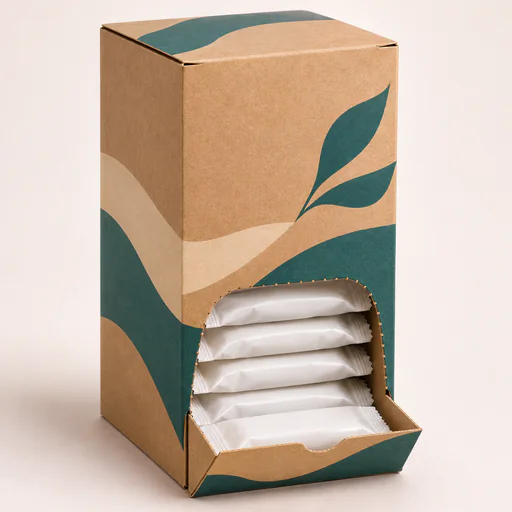
Custom Dispenser Boxes
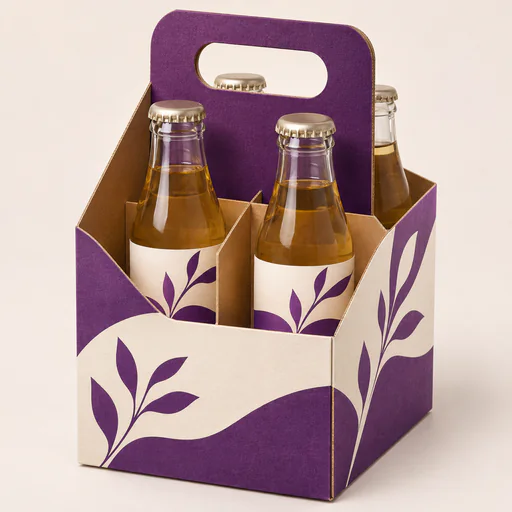
Custom Bottle Carrier Boxes
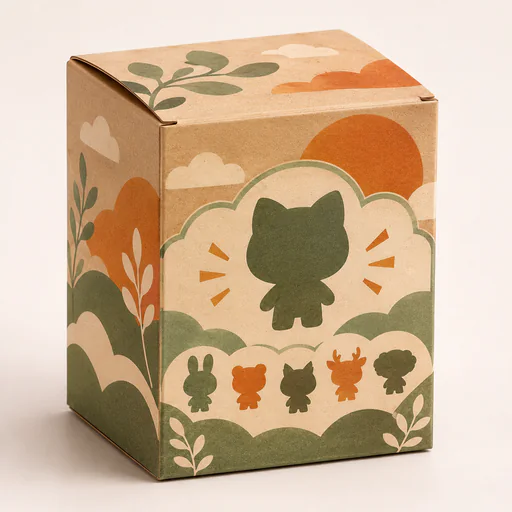
Custom Blind Boxes
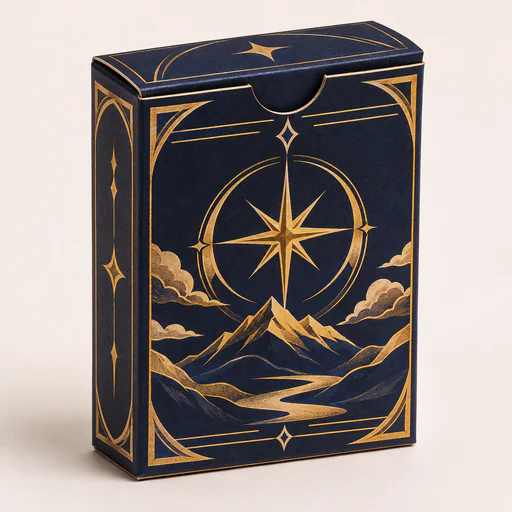
Custom Trading Card Boxes
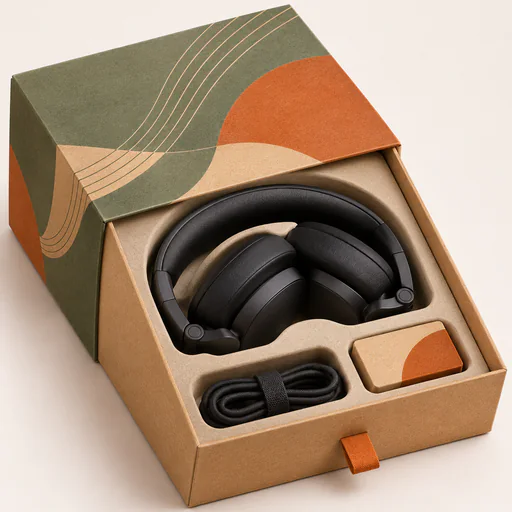
Custom Headphone Boxes
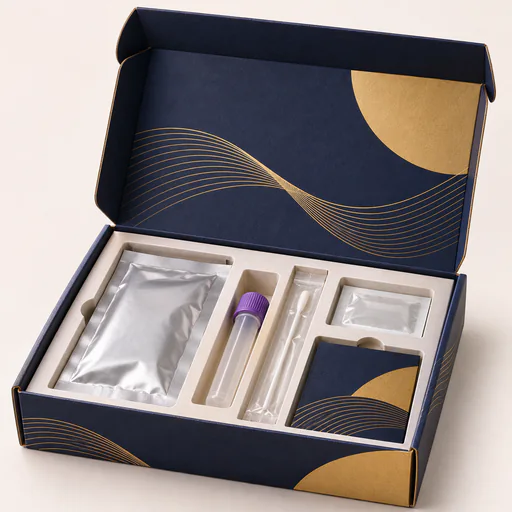
Custom Test Kit Boxes
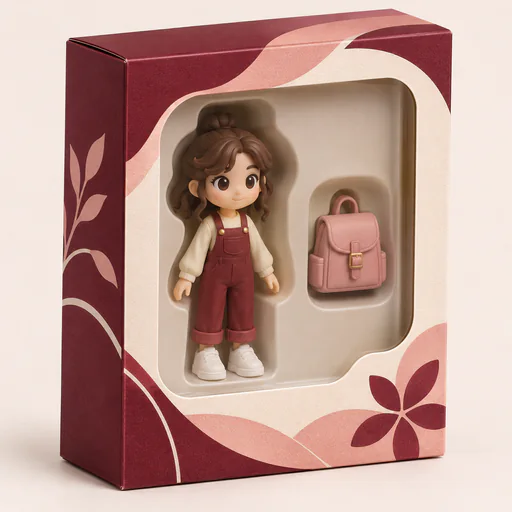
Custom Toy Boxes
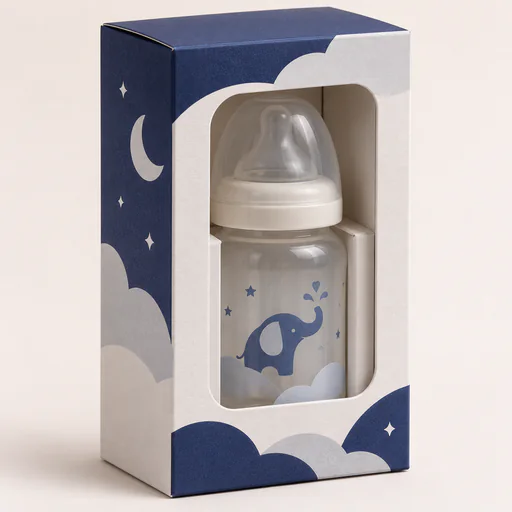
Custom Baby Product Boxes
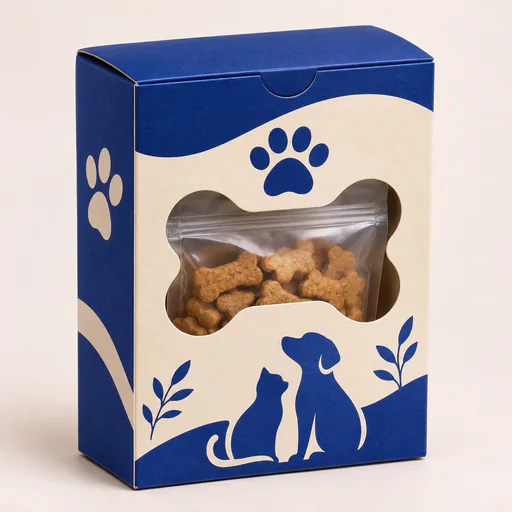
Custom Pet Treat Boxes
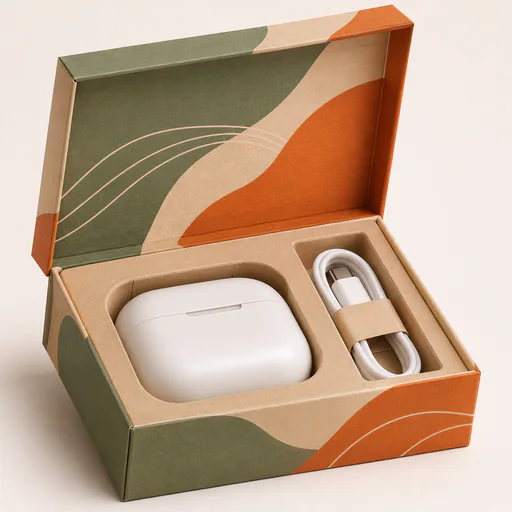
Custom Earbud Boxes
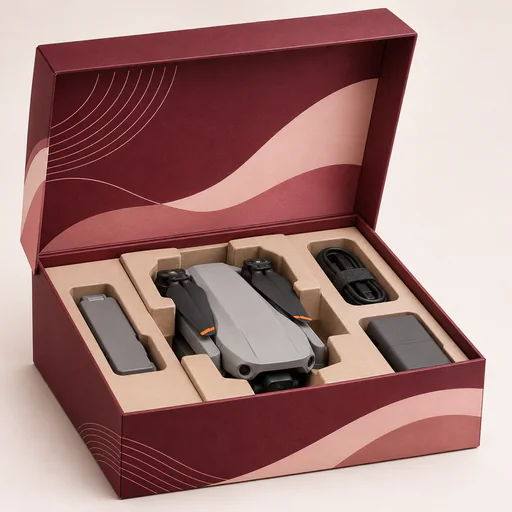
Custom Drone Boxes
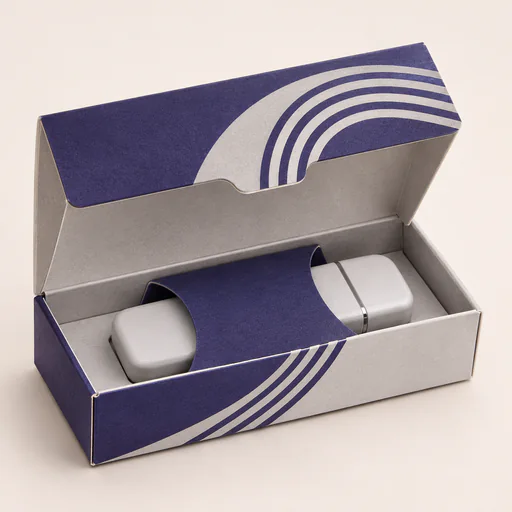
Custom USB Drive Boxes
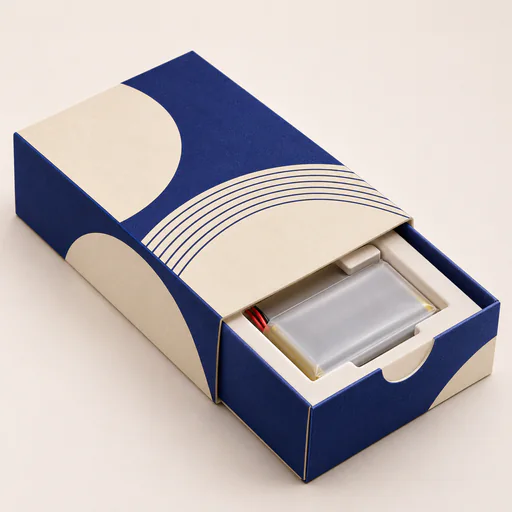
Custom Mobile Battery Boxes
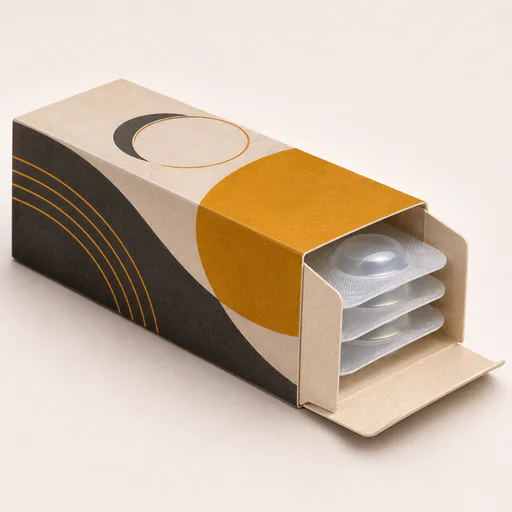
Custom Contact Lens Boxes
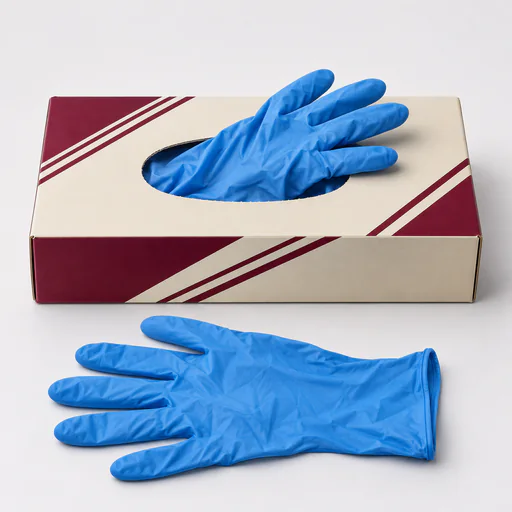
Custom Glove Dispenser Boxes
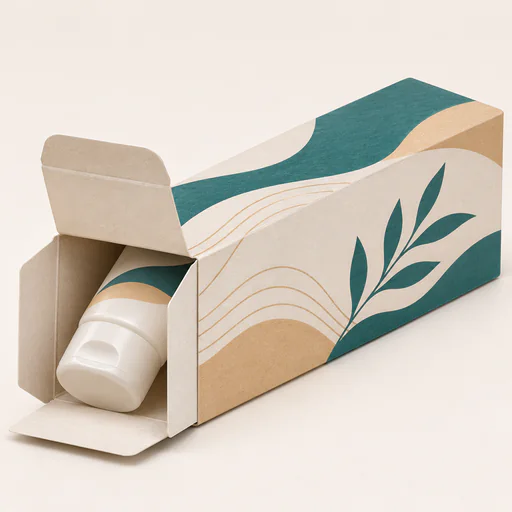
Custom Gel Tube Boxes
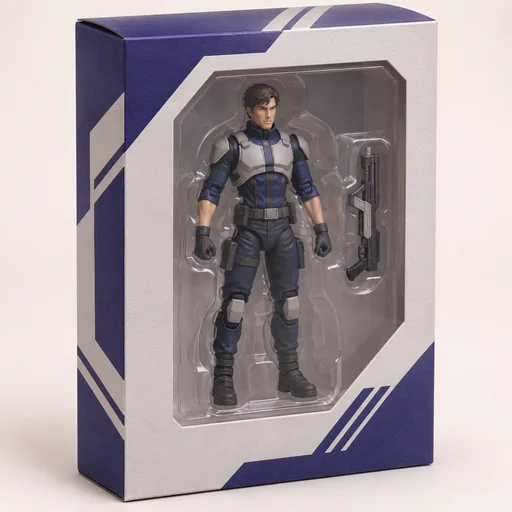
Custom Action Figure Boxes
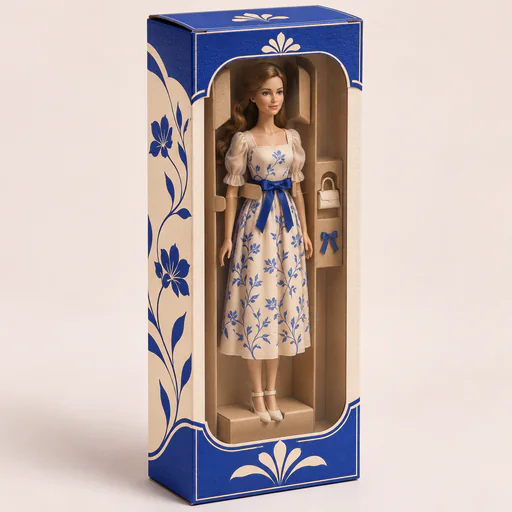
Custom Doll Boxes
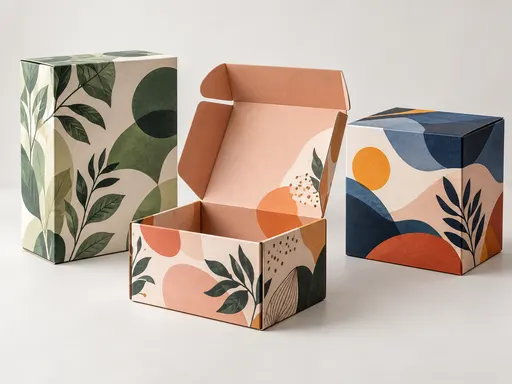
Custom Printed Boxes

Custom Packaging Boxes
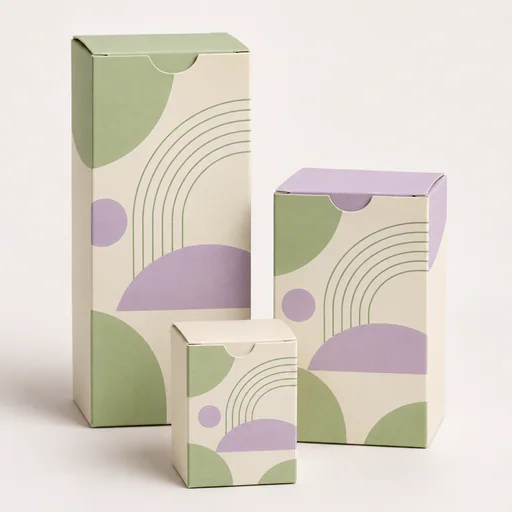
Custom Packaging For Small Business
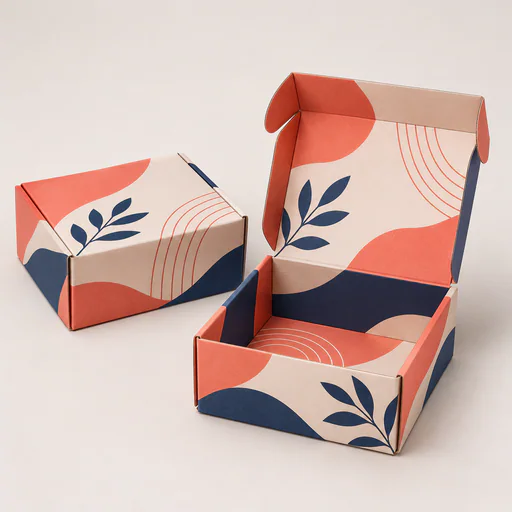
Branded Boxes
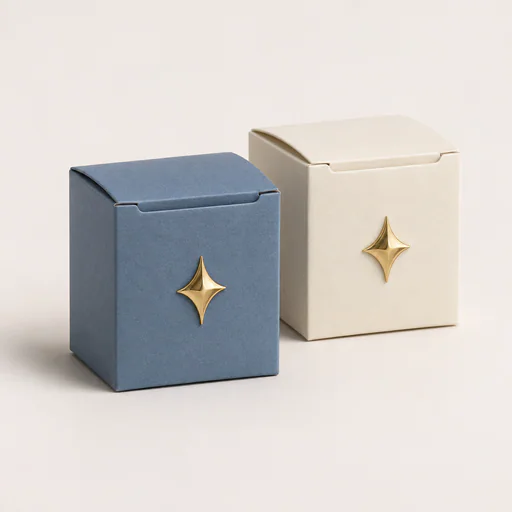
Custom Boxes With Logo
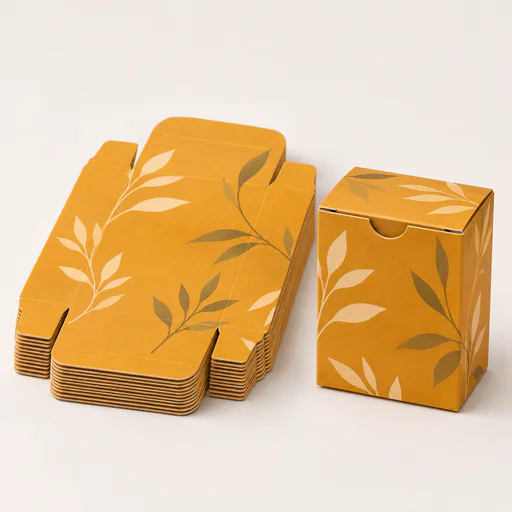
Custom Boxes Wholesale
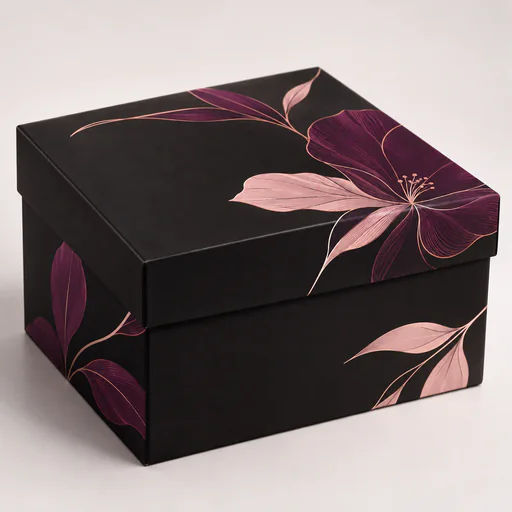
Custom Black Boxes
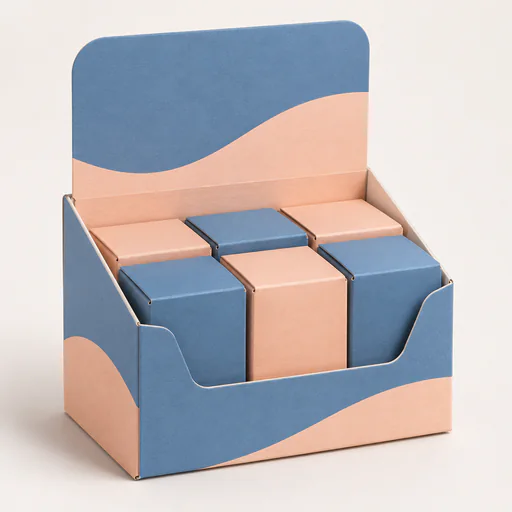
Custom Auto Bottom Display Lid Boxes
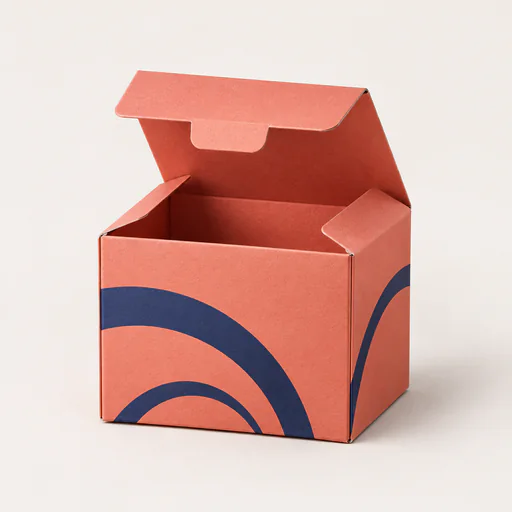
Custom Flap Boxes
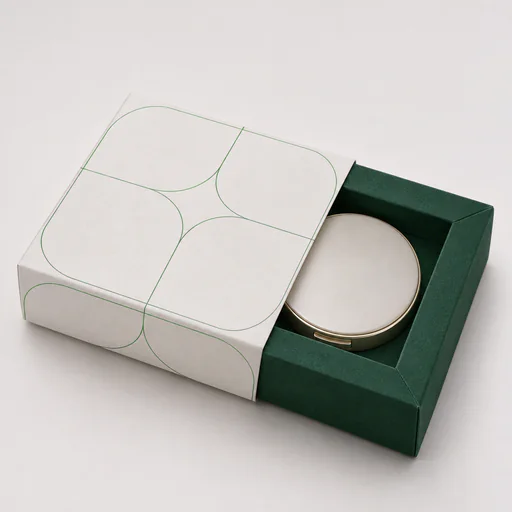
Custom Frame Tray and Sleeve Boxes
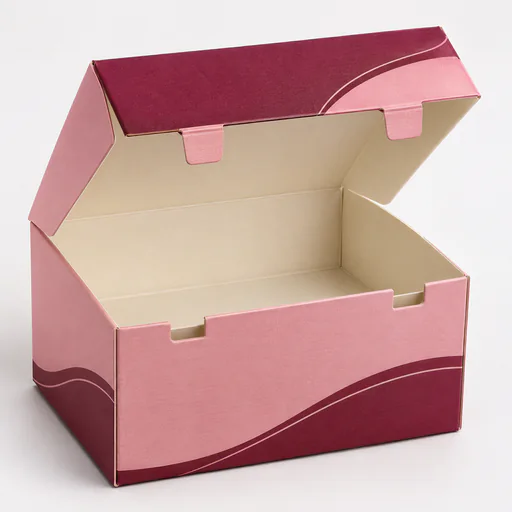
Custom Tab Lock Tuck Top Boxes
Materials and options
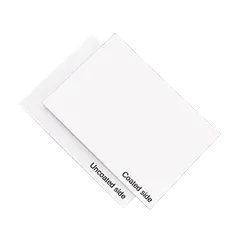
Coated paperboard
A smooth surface for full-color artwork on folding cartons and sleeves.
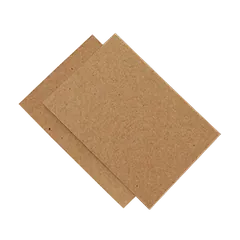
Kraft board
A natural finish for printed cartons. Check how your ink looks on the brown stock.

Foil stamping
Add a metallic detail to a logo or motif. Use a proof to check fine lines and placement.
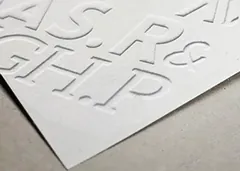
Embossing
Raise a detail on the surface. Confirm that it clears inserts and creases.
Compare every board, coating, finish and add-on in the packaging Option Library.
Buying guide
How retail packaging sells
On a shelf, a box has about three seconds to be noticed. A strong front panel, clear product name and a consistent color across a range do most of the work. Windows let the product sell itself, and display boxes put several units at the till.
Retailers also set rules: barcode position, shelf-ready trays, hang tabs for peg walls and case sizes that fit their logistics. Plan these with the design rather than after it.
Choosing a construction
Most retail packaging is a folding carton. Tuck end boxes are the lowest cost, auto bottom boxes carry heavier products and seal end boxes suit automatic filling lines. Hanger boxes add a tab for peg displays.
For premium products, a rigid box or a printed sleeve over a tray raises perceived value, while display boxes and shelf-ready trays reduce staff time in store.
Choose the display position before sizing the box
Decide whether the item stands on a shelf, hangs on a peg or sits in a counter dispenser. A carton that displays well upright can lean when hung. Place the hanging slot around the center of mass of the loaded pack and test with the real hook.
If several items share a shelf tray, measure product facing, label visibility and access to the last unit. Design any tear-off panel so staff can open it without losing structural support. Check that a customer can remove one unit without pulling neighboring stock forward.
Make the artwork work on an assembled carton
Use the dieline to mark the display panel and which end operators will use for filling. Keep small information clear of folds and give the barcode a flat area with the quiet zone required by the barcode specification. Scan a physical printed sample at its actual size.
If different variants use the same footprint, assign each a clear name or code on the end panel. Separate market artwork where approved text changes. Compare glue or lock styles in a real packing trial when switching from manual to automated assembly.
Guides for this range
Custom Retail Packaging is one part of the range made by Custom Boxes. Compare every format on the custom box types page, or browse packaging by industry.
Custom Retail Packaging questions
What is the most common retail box?
The tuck end folding carton. It is low cost, ships flat and prints well.
Do you make shelf-ready packaging?
Yes. Display boxes and shelf-ready trays open straight onto the shelf.
Can retail boxes have a barcode?
Yes. Include the barcode in your artwork and we print it with a quiet zone around it.