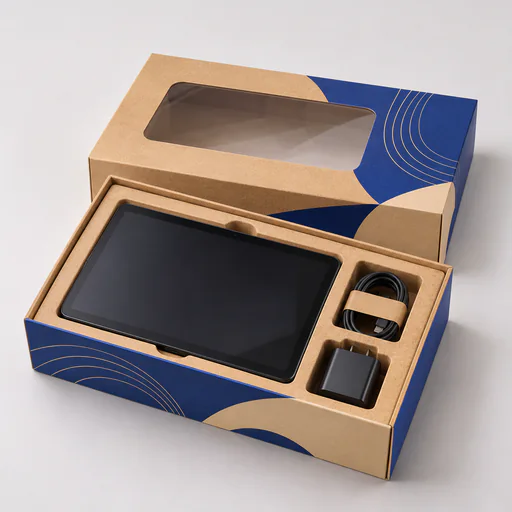
Electronics and Tech Packaging
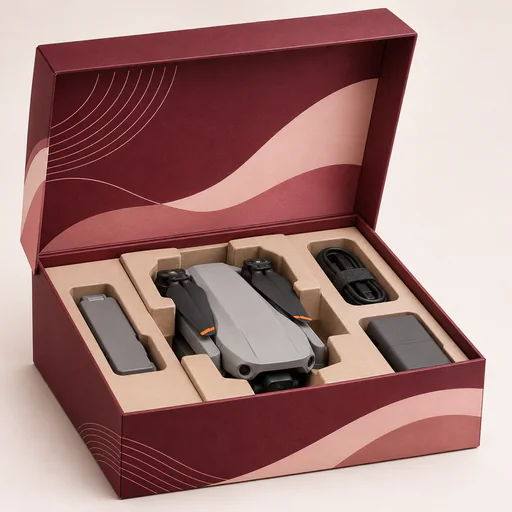
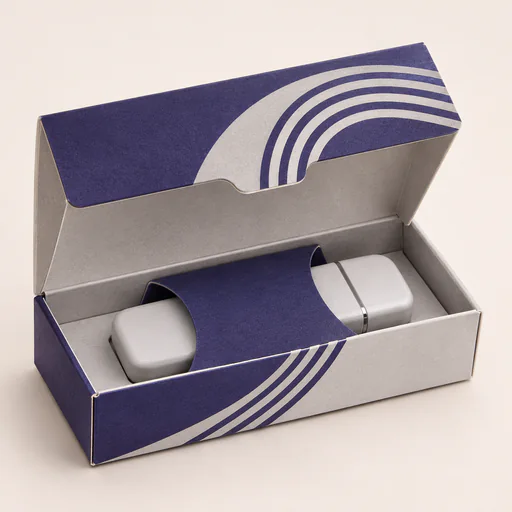
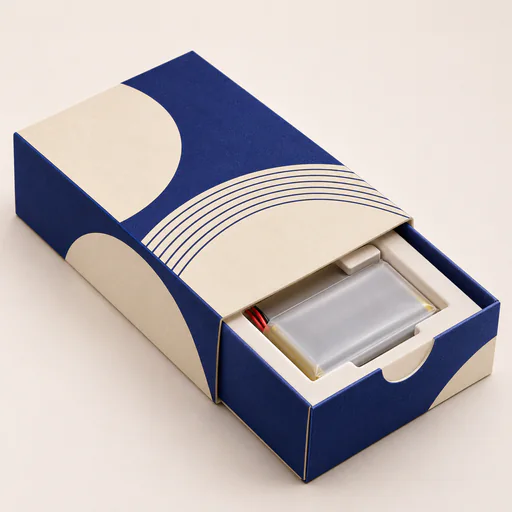
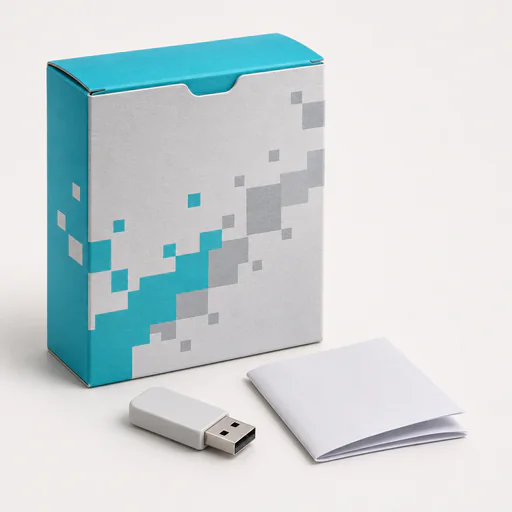
Compact electronics boxes hold devices and accessories in place with fitted trays or stops. Compare retail cartons for earbuds, USB drives, phone accessories and small devices.
Electronics packaging protects a device that is often fragile, heavy for its size and expensive to replace. It also presents the product, holds the accessories in a set order, and carries the model name and the compliance marks your product needs.
Most tech brands combine a printed retail box, often rigid or a heavy folding carton, with a fitted insert. The insert holds the device away from the walls and gives each cable and adapter its own place.
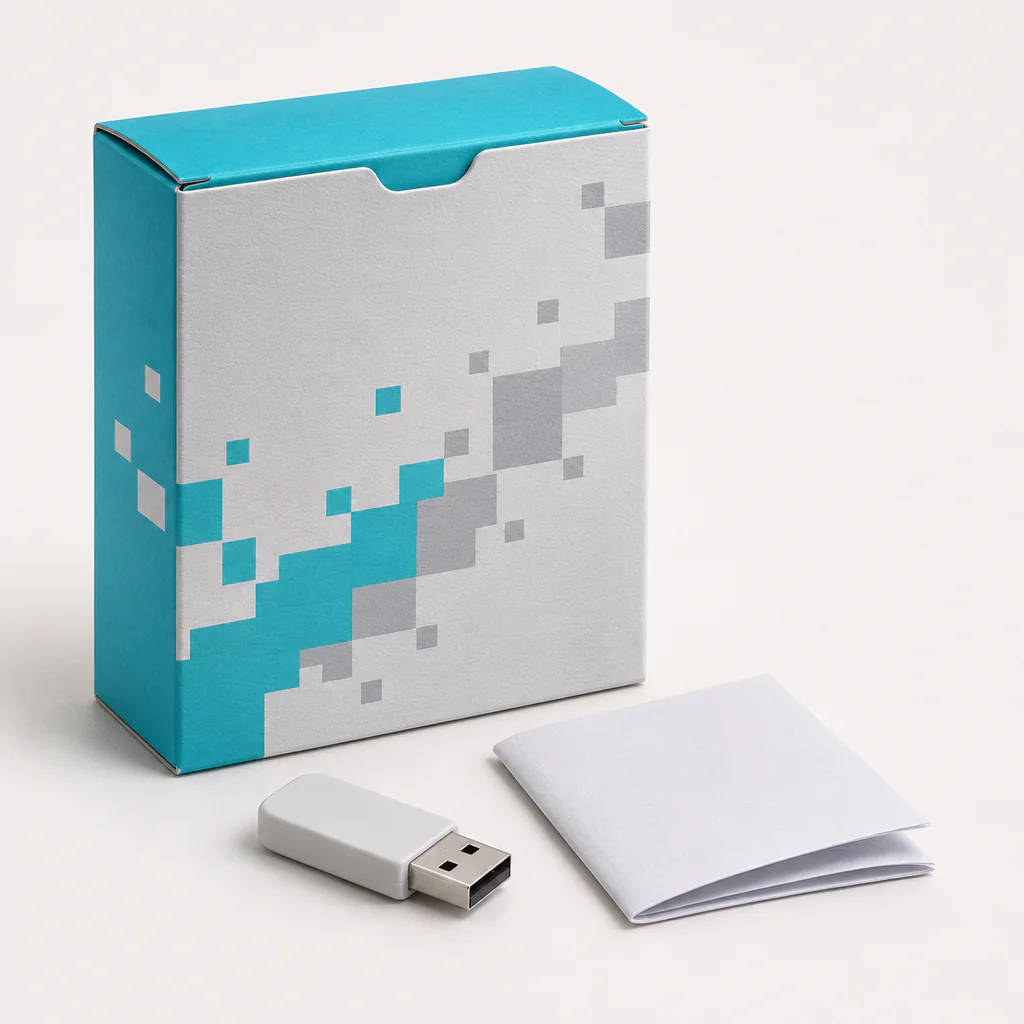
Recommended packaging styles
Explore the box styles in this range, then choose the dimensions, board and finish for your product.
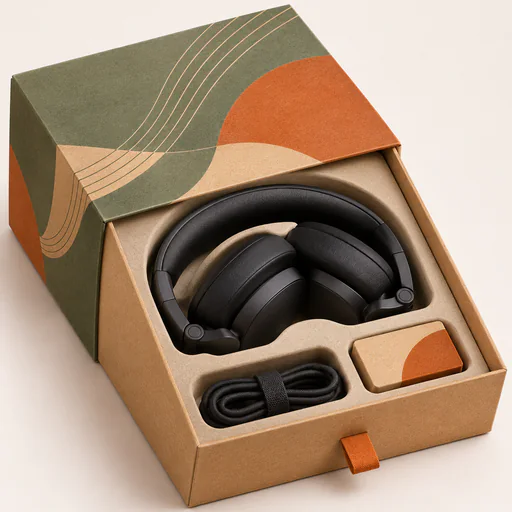

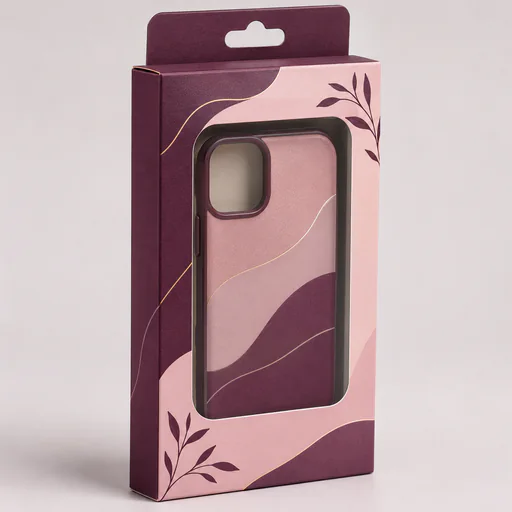


Materials and options
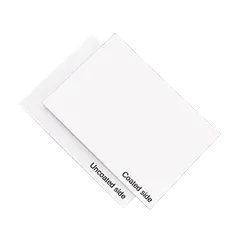
Coated paperboard
A smooth surface for full-color artwork on folding cartons and sleeves.
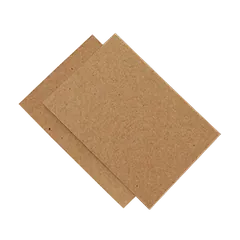
Kraft board
A natural finish for printed cartons. Check how your ink looks on the brown stock.

Foil stamping
Add a metallic detail to a logo or motif. Use a proof to check fine lines and placement.
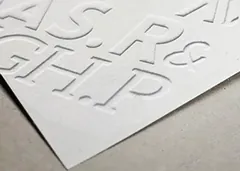
Embossing
Raise a detail on the surface. Confirm that it clears inserts and creases.
Compare every board, coating, finish and add-on in the packaging Option Library.
Buying guide
Put supports where the device can take a load
Hold a laptop by appropriate chassis edges and leave space above broad faces. Support a headset at its band and rigid cup edges. Keep pressure off keyboard switches, keycaps and projecting knobs.
Use separate pockets for plugs, batteries, receivers and cables. Check the removal path for each part, including cords that can lift out with the tray.
Prepare the pack for its distribution route
Distinguish shelf presentation from carrier protection. Measure the sealed retail pack and any outer cushion before comparing freight. Use an appropriately tested complete pack when failure would damage the device.
Confirm any battery, electrostatic protection or special transport requirements separately. Identify the actual device and battery configuration before relying on a generic shipping carton.
Design the insert around the device and accessories
List every item that goes in the box and decide the order the customer should see them: device first, then accessories, then documents. That order sets the layers of the insert.
Card and corrugated inserts are cut from board; foam and molded pulp are shaped to the device. Ask for a sample with the real device before the full run, because a few millimeters of play can let a device shift in transit.
Plan for shipping as well as the shelf
A retail box is not a shipping box. If you sell online, plan a corrugated mailer or shipper sized to the retail box, so the printed box arrives without scuffs.
Keep the model name, barcode and required marks on panels that stay visible when the box sits on a shelf, and keep fine text clear of folds and glue areas.
Guides for this range
Electronics and Tech Packaging is one part of the range made by Custom Boxes. Compare every format on the custom box types page, or browse packaging by industry.
Electronics and Tech Packaging questions
Can one tray work across models?
Use it only after checking every model’s retention points and protrusions. Interchangeable end stops can help where the body dimensions are similar.
Should I pick a carton by screen size?
Measure the chassis, hinge and accessories directly. Screen size does not establish the pack dimensions.