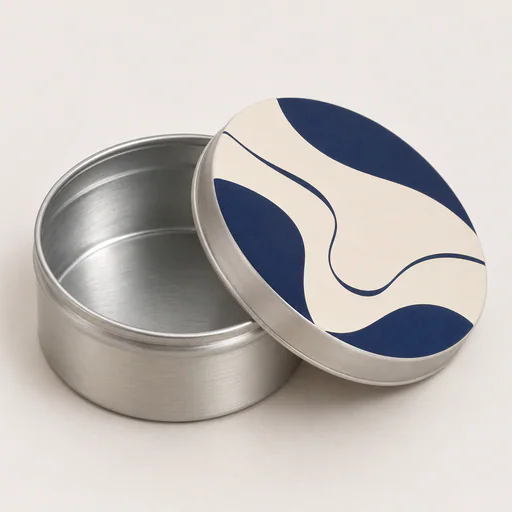
Tin and Specialty Packaging
Specialty boxes use a particular shape or closure to fit a product. Compare metal tins, paperboard tubes and shaped boxes by their usable inside dimensions and how customers open them.
Specialty packaging covers the shapes that do not fit a standard carton: tins, tubes, hexagons, drawers, die-cut shapes and presentation boxes. These shapes stand out on a shelf and suit gifts, collectibles and products that need a memorable unboxing.
Each shape has its own construction and its own limits on size and print. Start from the product and the effect you want, then choose the shape that delivers it at your quantity.
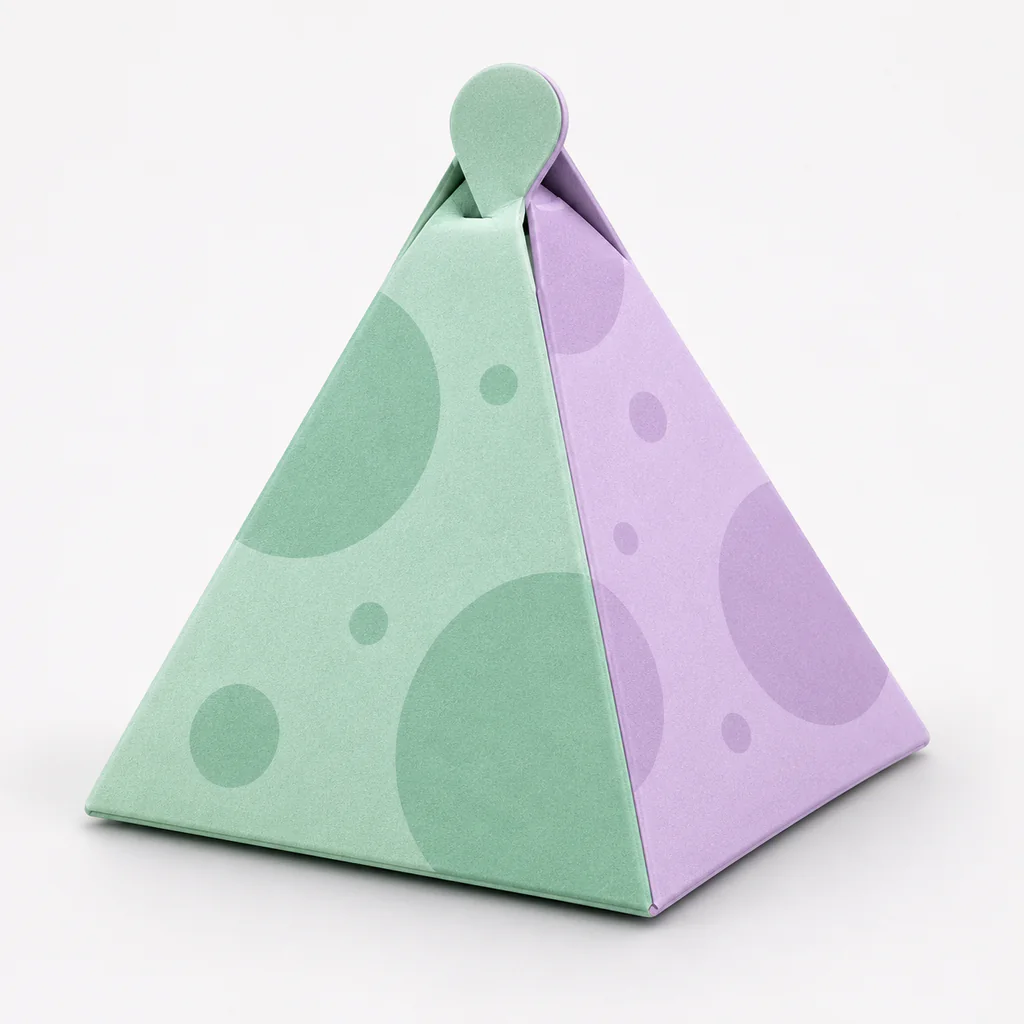
Recommended packaging styles
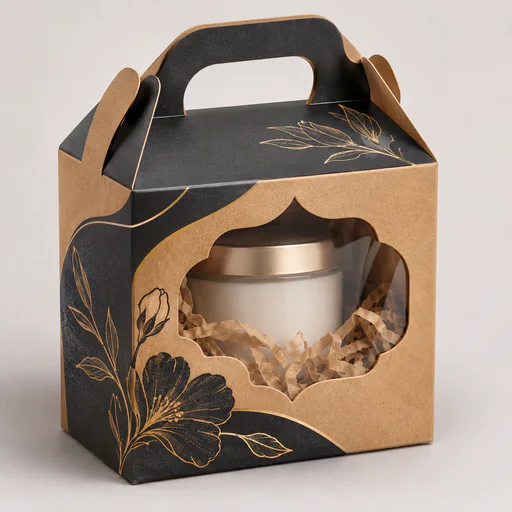
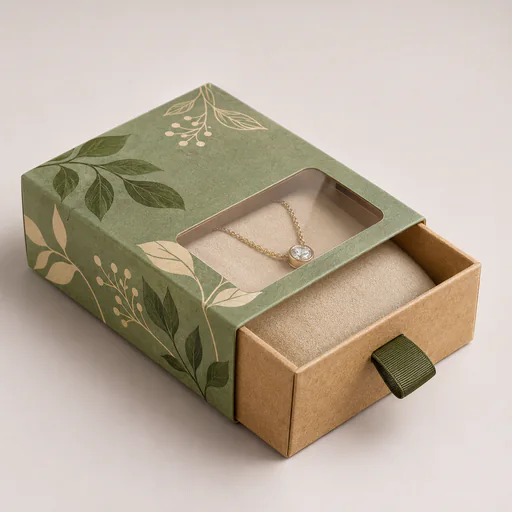
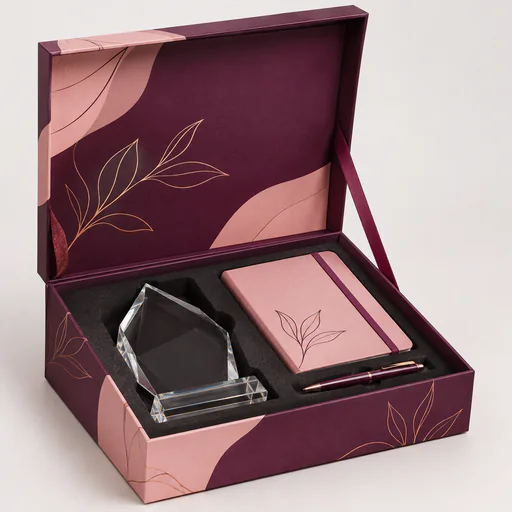
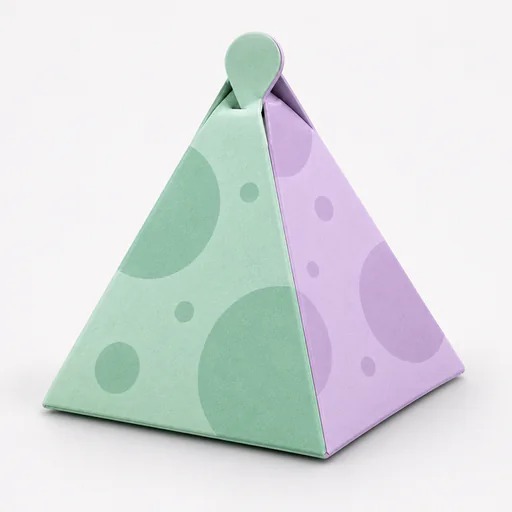
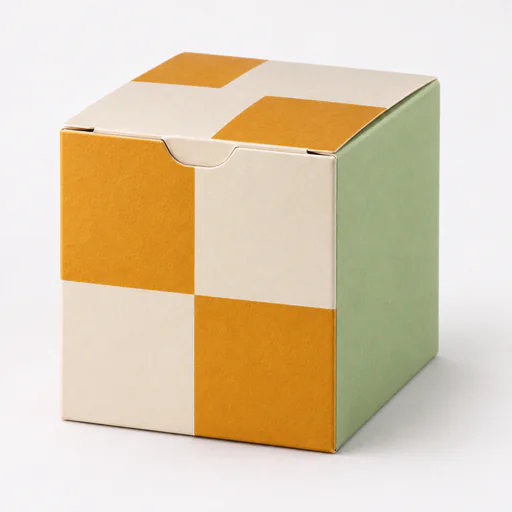
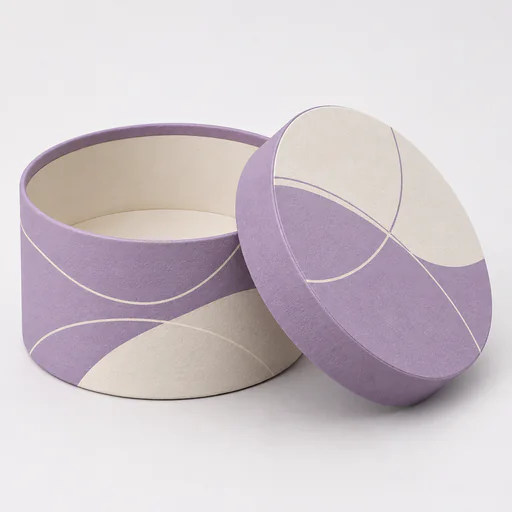
Explore the box styles in this range, then choose the dimensions, board and finish for your product.
Materials and options
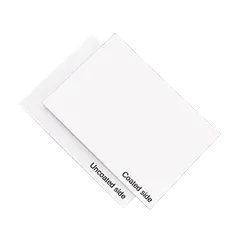
Coated paperboard
A smooth surface for full-color artwork on folding cartons and sleeves.
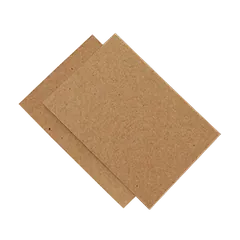
Kraft board
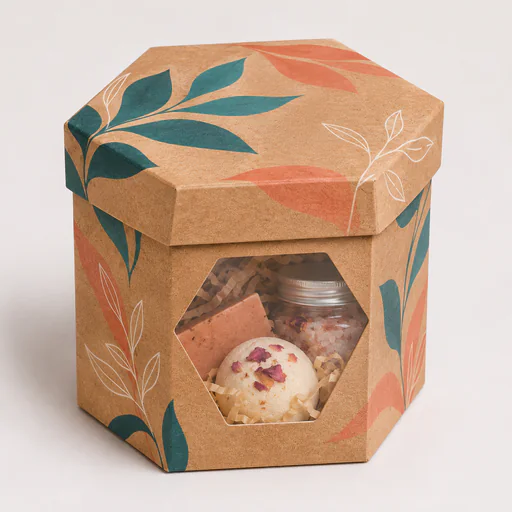
A natural finish for printed cartons. Check how your ink looks on the brown stock.
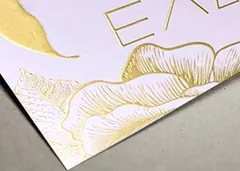
Foil stamping
Add a metallic detail to a logo or motif. Use a proof to check fine lines and placement.
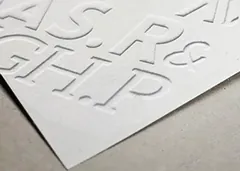
Embossing
Raise a detail on the surface. Confirm that it clears inserts and creases.
Compare every board, coating, finish and add-on in the packaging Option Library.
Buying guide
Work from usable space
Rolled edges, lid overlaps and curved walls can reduce usable space. Measure the packed item at its widest point and confirm it can pass through the opening without scraping.
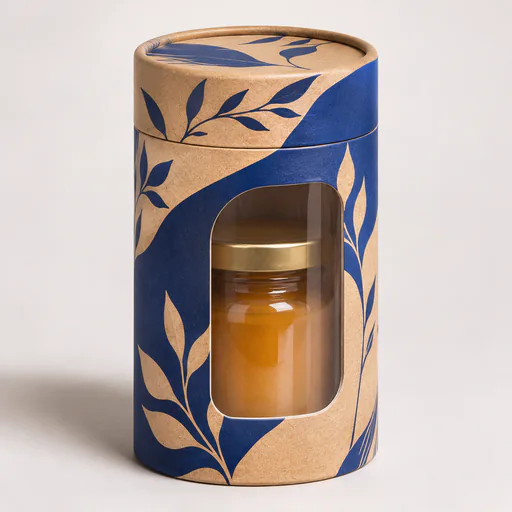
For paperboard tubes, check the height of the lid plug. A rigid tray, drawn tin and folded hexagonal carton use different clearances and display surfaces.
Check the closure and the route
Test how the closure feels with the intended finish applied. A metal tin or rigid case can collect scuffs or dents in shipping, so choose an outer pack around the real dimensions.
For products such as food, discuss the intended contact and primary pack separately. Review any liners or inserts with the actual contents.
Choose the shape for the product
Tubes suit rolled and cylindrical products such as tea, cosmetics and posters. Hexagons and pyramids suit small gifts and treats. Drawer and presentation boxes suit items that are revealed slowly.
Order a sample in the chosen shape with the real product, and check how it opens, closes and stands on a shelf.
Allow for print on curved and angled panels
Artwork on a tube wraps around a curve, and artwork on a hexagon crosses six panels. Keep logos and text away from seams and fold lines, and check the proof on the dieline.
Specialty shapes often take longer to produce than standard cartons; plan the schedule from the production time on the product page.
Guides for this range
Tin and Specialty Packaging is one part of the range made by Custom Boxes. Compare every format on the custom box types page, or browse packaging by industry.
Tin and Specialty Packaging questions
Can a tin share the same insert as a cardboard box?
Only if the usable opening, internal footprint and depth match. Check rolled edges and any taper.
What if I need an unusual shape?
Provide the item and intended opening direction. Compare a die-cut folded format with a suitable rigid option.