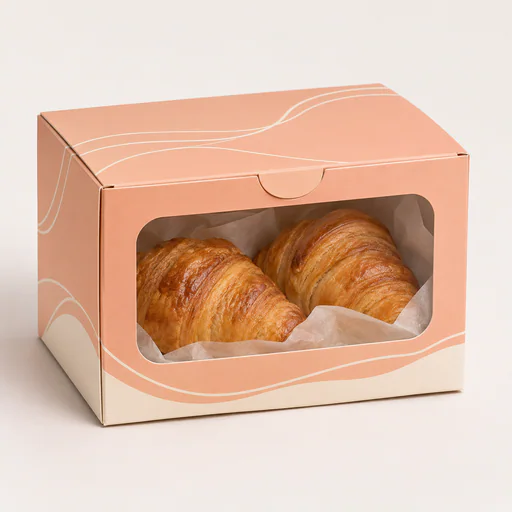
Bakery and Dessert Packaging
Bakery and dessert boxes support the tray, tin or product while leaving room above fragile toppings. Choose the closure, window and board around the actual food and how it is handled.
Bakery and dessert packaging carries fresh food that is soft, sticky or frosted, often over a short distance from counter to car to table. The box has to keep the shape of a cake, the frosting of a cupcake and the crispness of a cookie, and it is often the main place a bakery shows its brand.
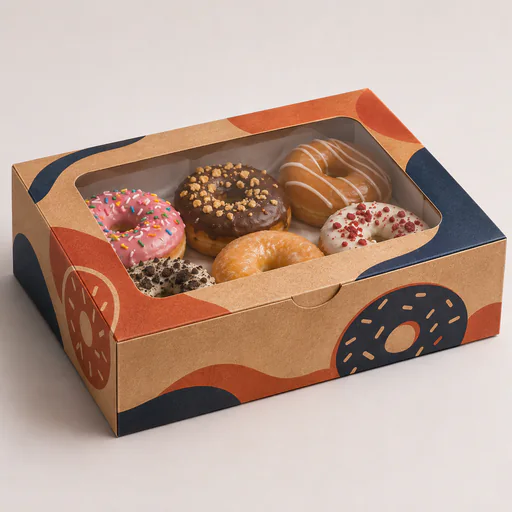
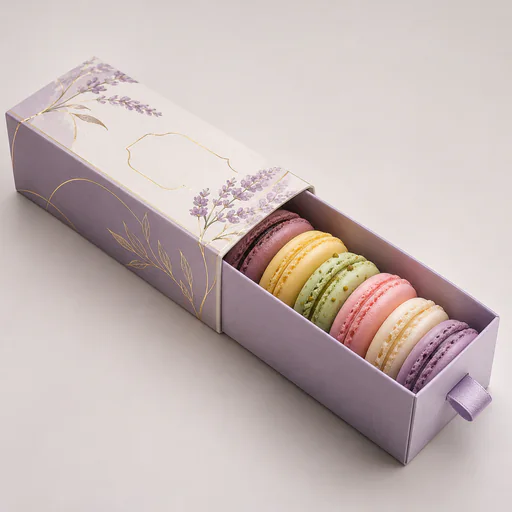
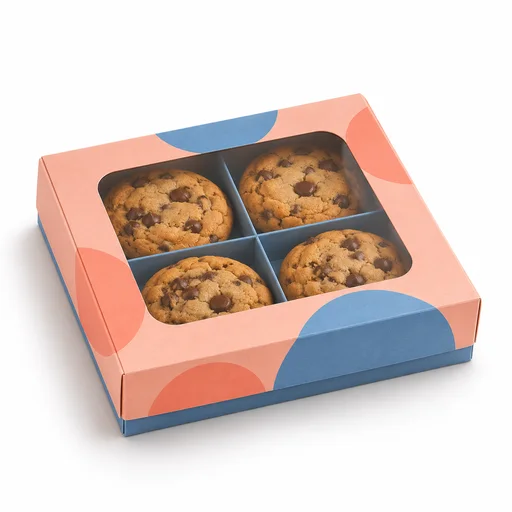
Food-contact folding board with a grease-resistant inside is the usual material; windows show the bake, and inserts hold cupcakes and macarons in place. Corrugated board suits tiered cakes and heavier orders.
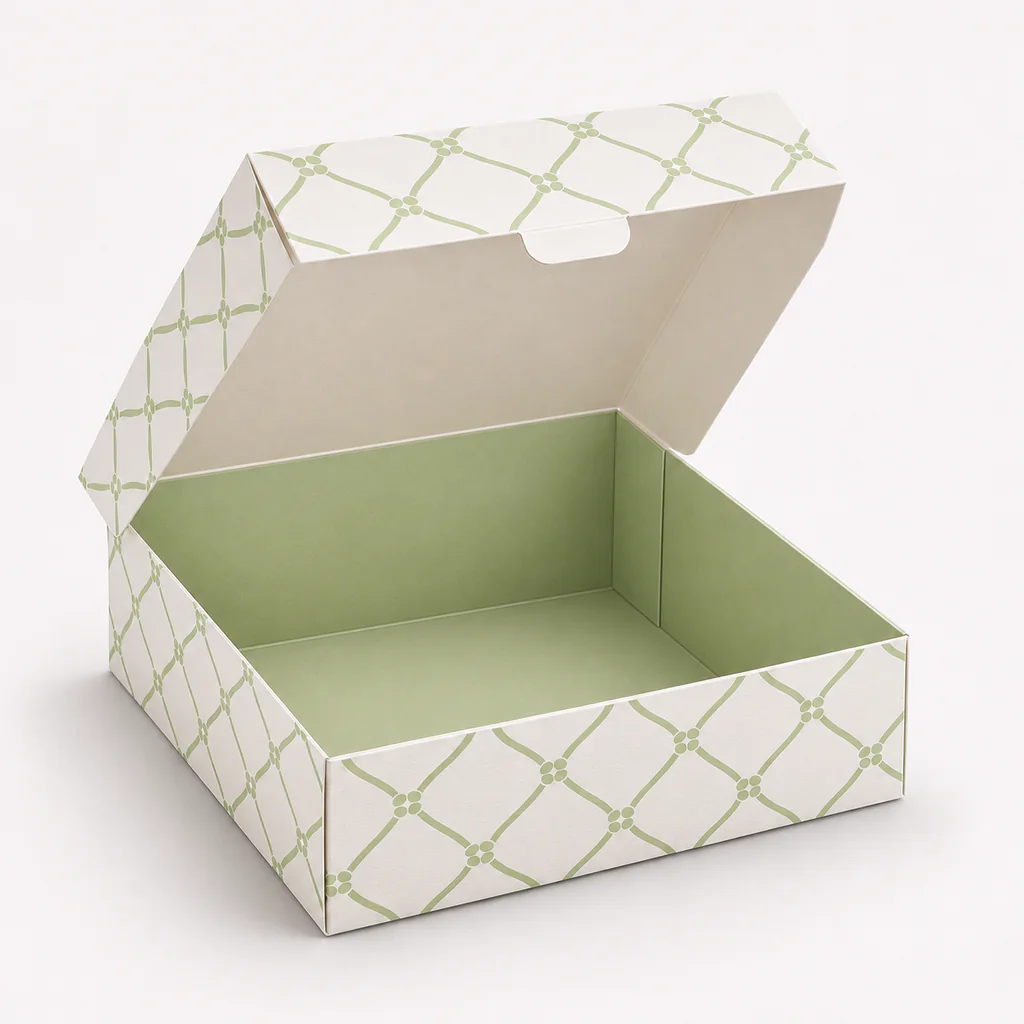
Recommended packaging styles
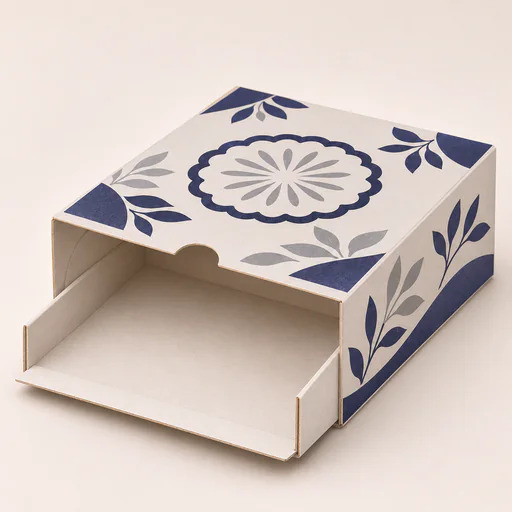
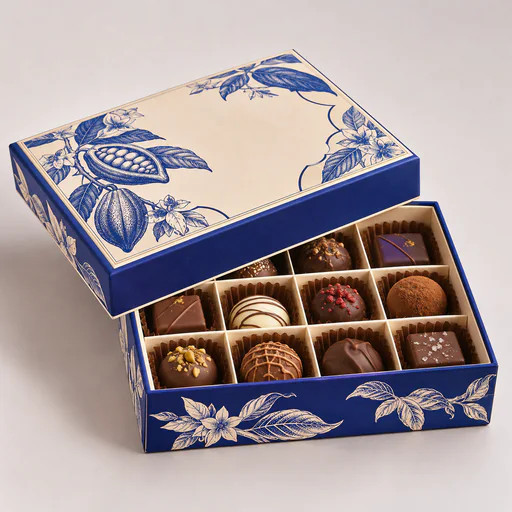
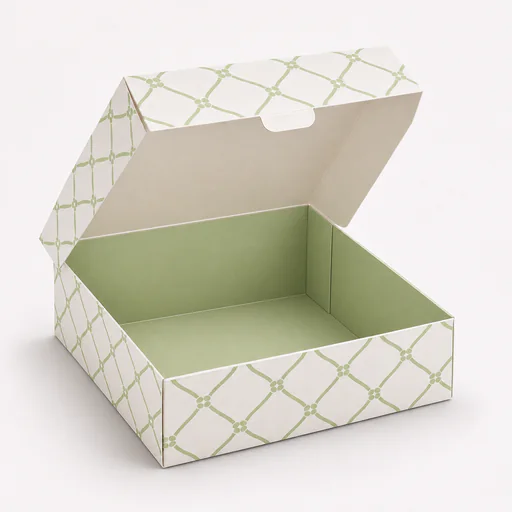
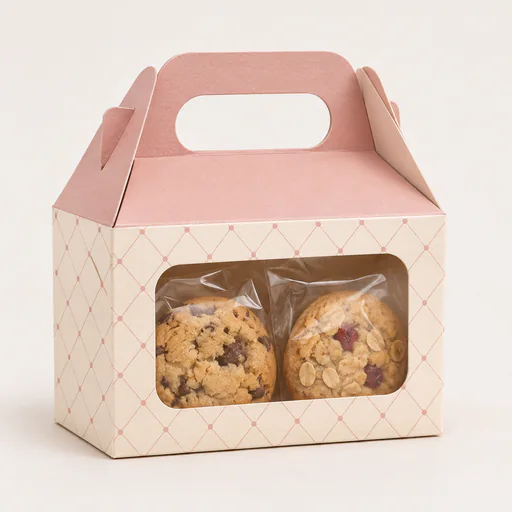
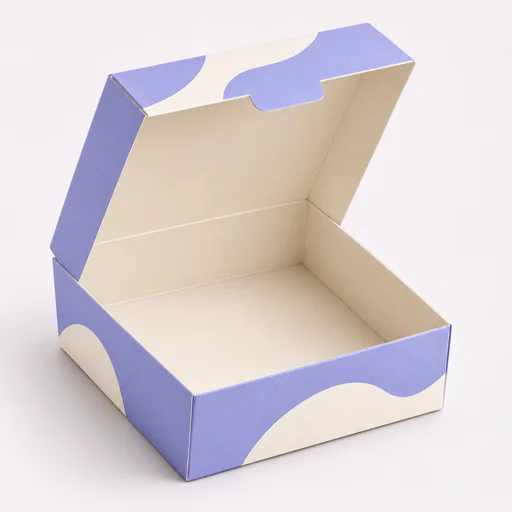
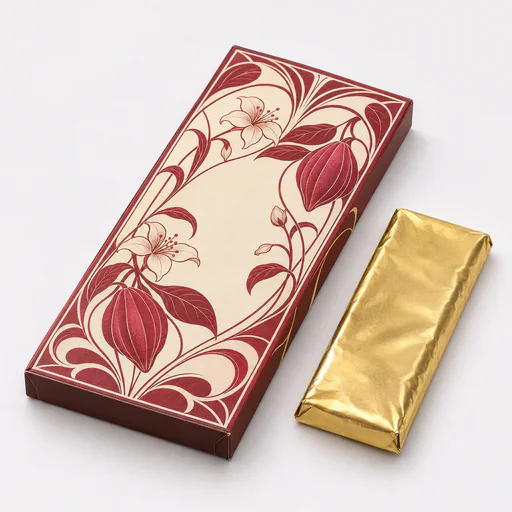
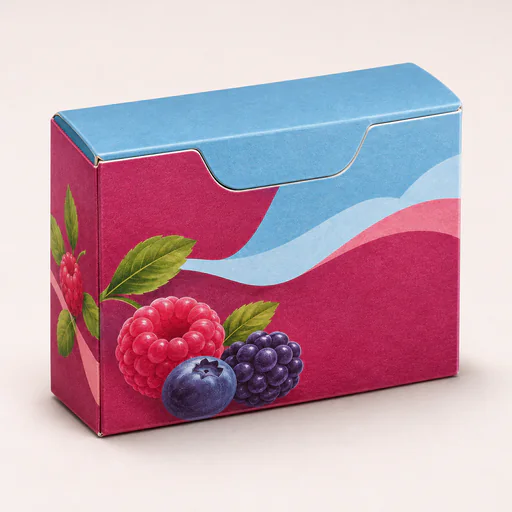
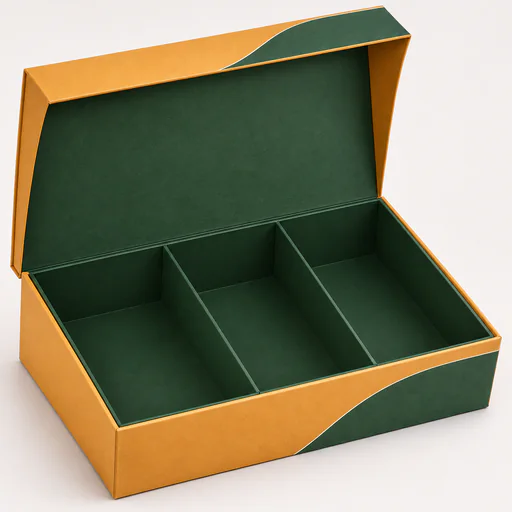
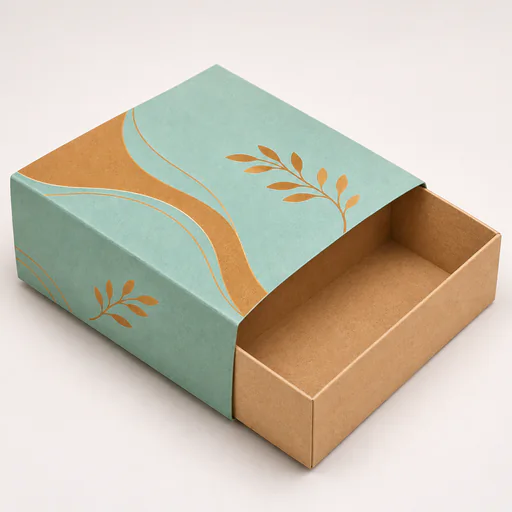
Explore the box styles in this range, then choose the dimensions, board and finish for your product.
Materials and options
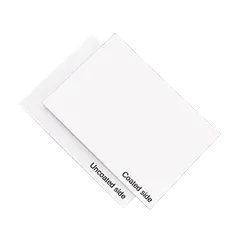
Coated paperboard
A smooth surface for full-color artwork on folding cartons and sleeves.
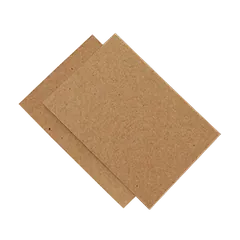
Kraft board
A natural finish for printed cartons. Check how your ink looks on the brown stock.
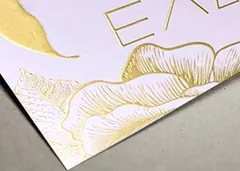
Foil stamping
Add a metallic detail to a logo or motif. Use a proof to check fine lines and placement.
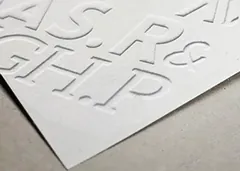
Embossing
Raise a detail on the surface. Confirm that it clears inserts and creases.
Compare every board, coating, finish and add-on in the packaging Option Library.
Buying guide
Size the base and lid separately
Cake boards and pie tins often extend past the food. Measure the full outside rim and the tallest decoration. Side access helps operators load items without lifting them over a wall.
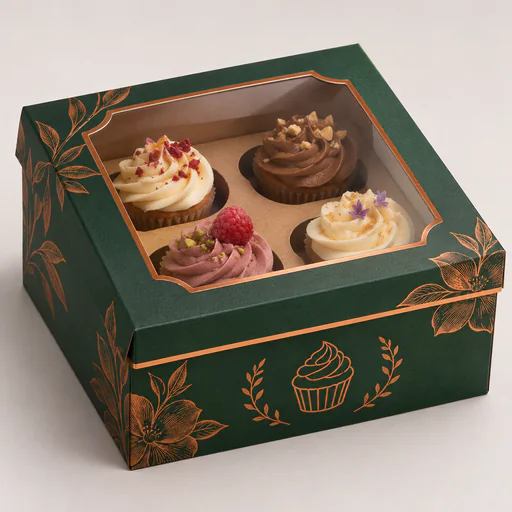
A cupcake insert grips each cup below the topping. Macarons may need a row tray that supports the sides rather than putting pressure on their shells. Check how the customer removes the last piece.
Check contact, warmth and stacking
Describe direct contact, fat or moisture, temperature and holding time before choosing a food-contact board or barrier. A sealed inner tray changes what touches the carton.
Test grease marks and lid clearance with the food packed at its real temperature. Check whether a windowed lid can carry the expected stack without bending toward the product.
Size for the bake, not the tray
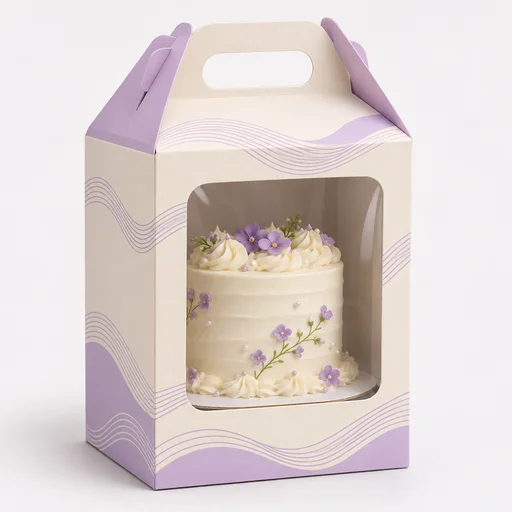
Measure the finished product including frosting height and decorations. Leave enough room above a cake so the lid does not touch it, and use an insert with wells for cupcakes so they cannot slide together.
For heavier cakes, check that the base stays flat when the box is lifted from the sides; switch to corrugated board for tiers.
Keep grease off the print
Butter and oil can mark plain board within hours. A grease-resistant coating on the inside keeps the printed outside clean.
A window shows the bake without opening the box, which reduces handling at the counter. Keep it away from the folds that carry the weight.
Guides for this range
Bakery and Dessert Packaging is one part of the range made by Custom Boxes. Compare every format on the custom box types page, or browse packaging by industry.
Bakery and Dessert Packaging questions
How do I size a cake box?
Measure the cake board and the tallest decoration. Check whether the pack needs space to slide the board out.
Do all bakery boxes use the same material?
Specify the food, temperature, contact and carrying requirements. Cake cartons, warm pie boxes and chocolate trays can require different materials.