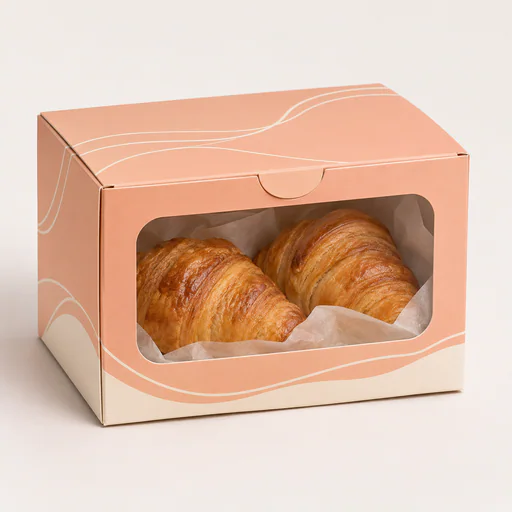
Custom food packaging
Custom food packaging is printed packaging made from food-contact materials to hold, protect and sell food, from bakery and pizza boxes to chocolate, tea and takeout boxes. It has to keep food safe and fresh while carrying the brand and the information buyers need.
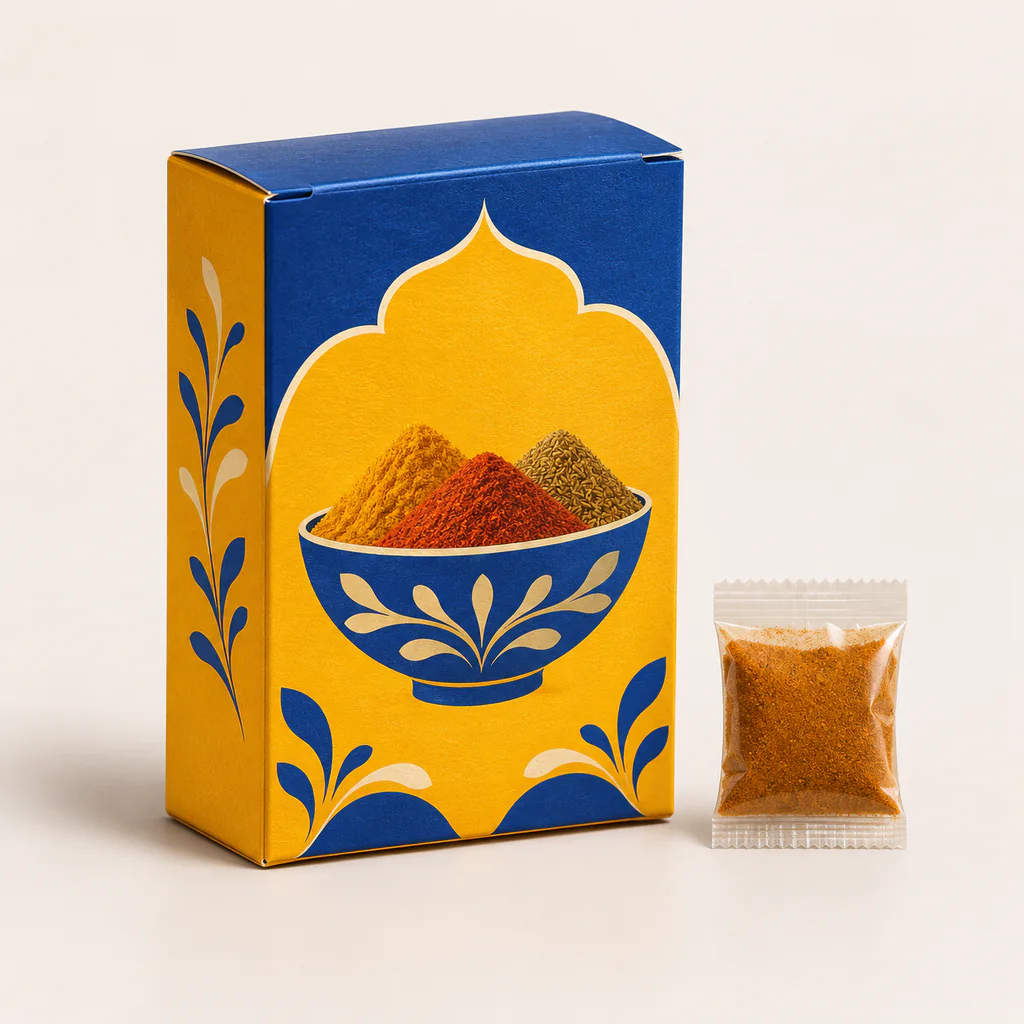
Recommended packaging styles
Explore the box styles in this range, then choose the dimensions, board and finish for your product.
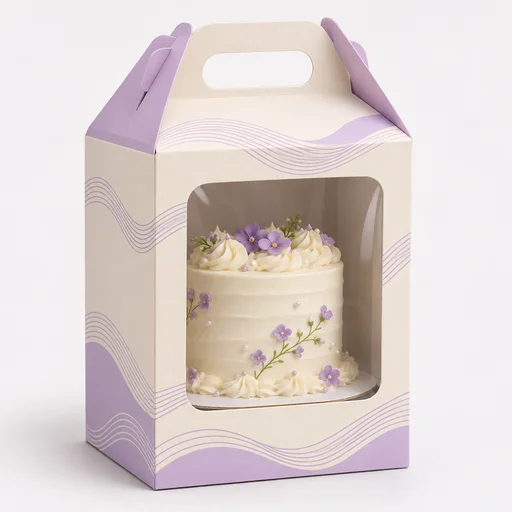
Custom Cake Boxes
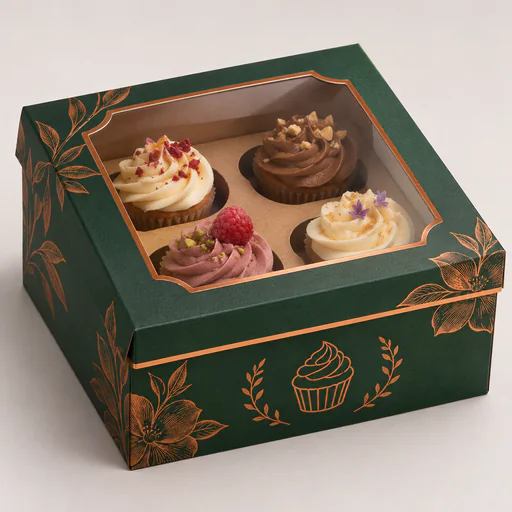
Custom Cupcake Boxes
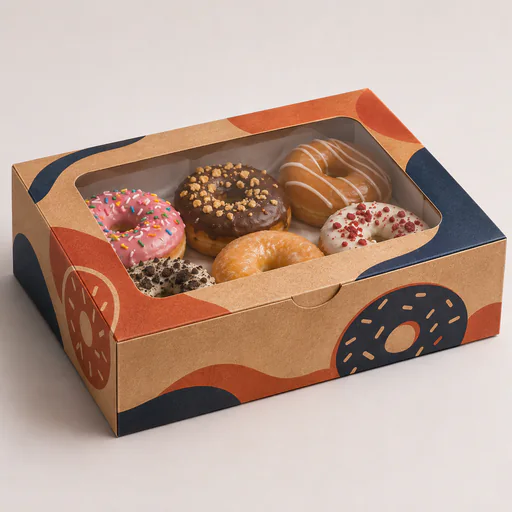
Custom Donut Boxes
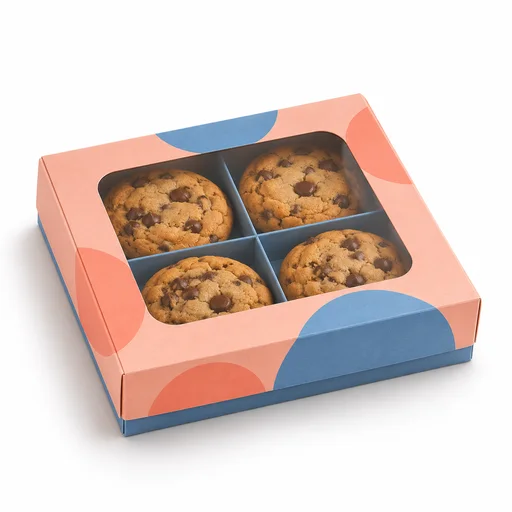
Custom Cookie Boxes
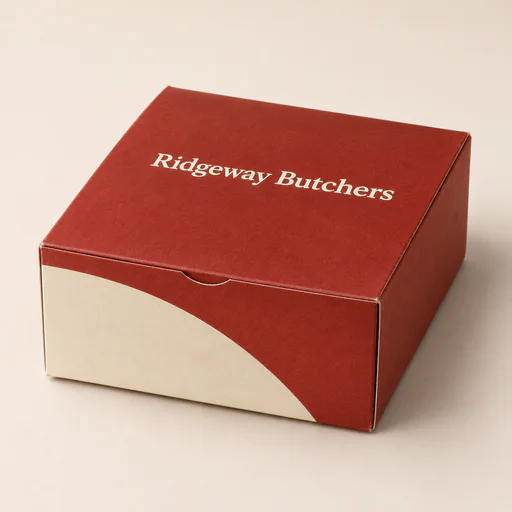
Custom Hamburger Patty Boxes
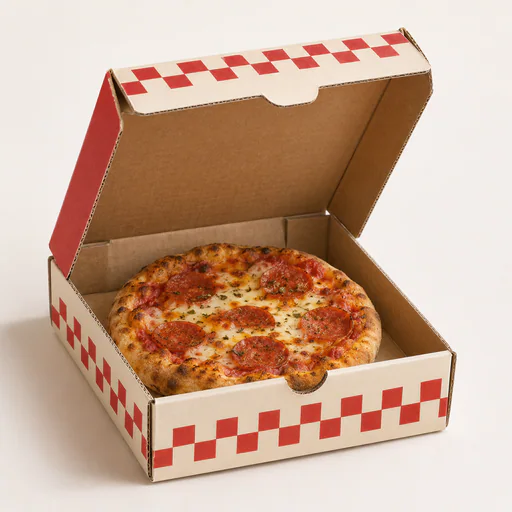
Custom Pizza Boxes
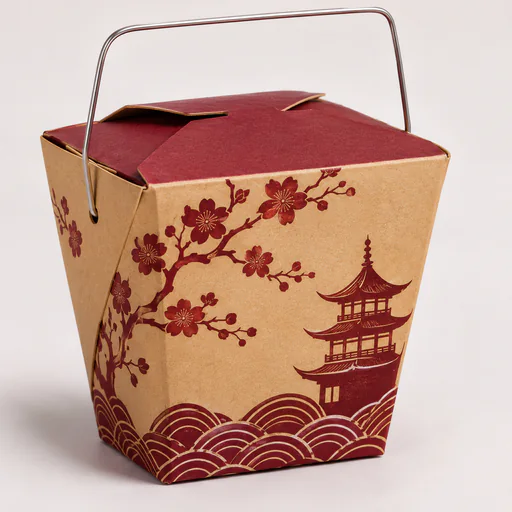
Custom Chinese Takeout Boxes
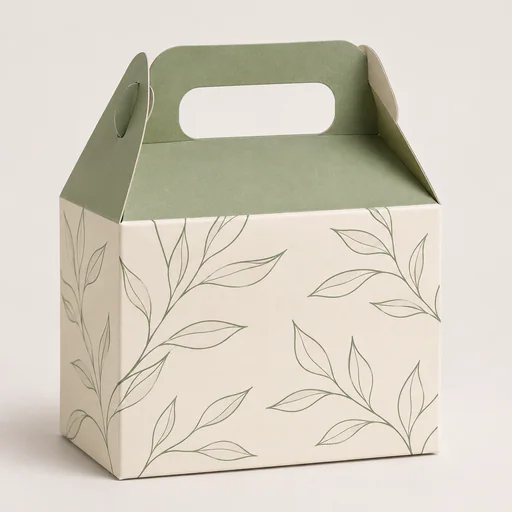
Custom Gable Boxes
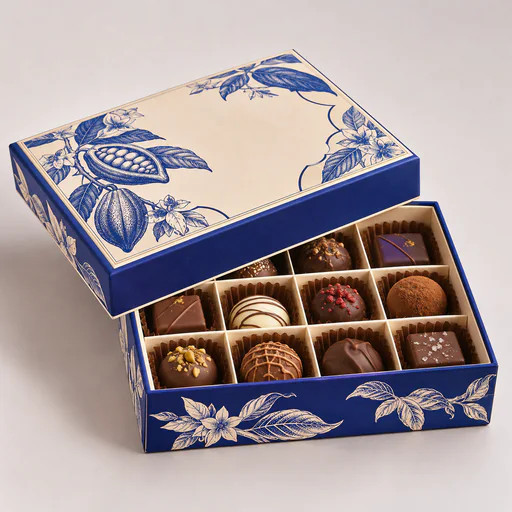
Custom Chocolate Boxes
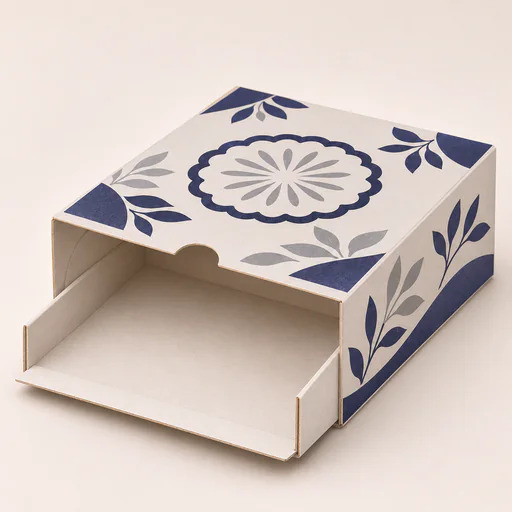
Custom Pie Boxes
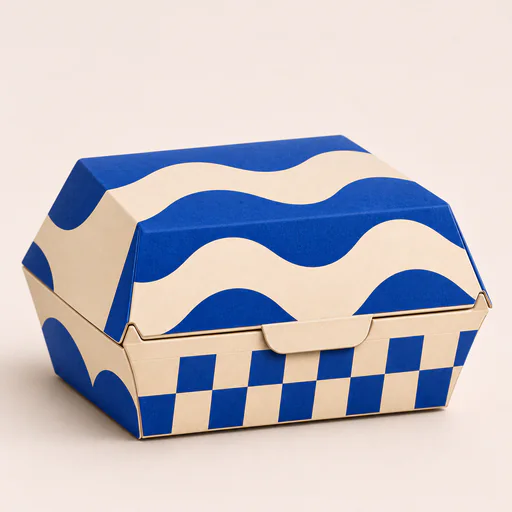
Custom Burger Boxes
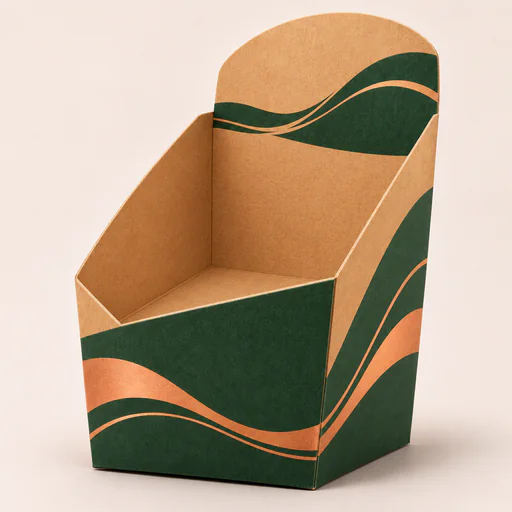
Custom French Fry Boxes
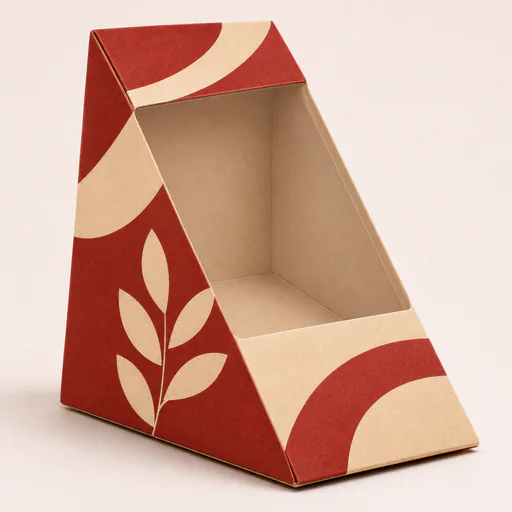
Custom Sandwich Boxes
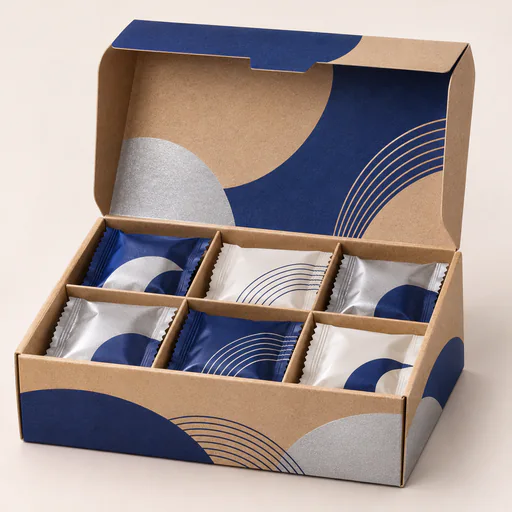
Custom Snack Boxes
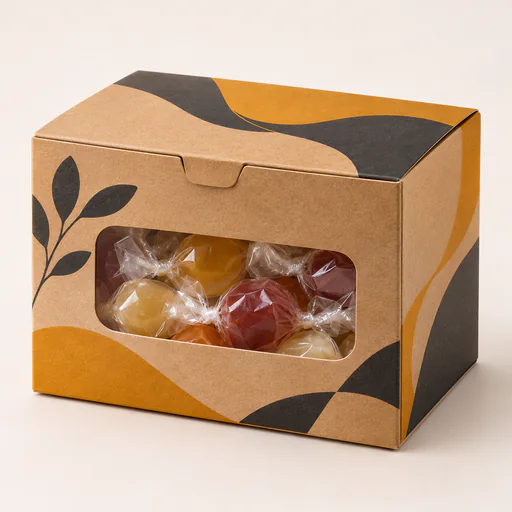
Custom Candy Boxes
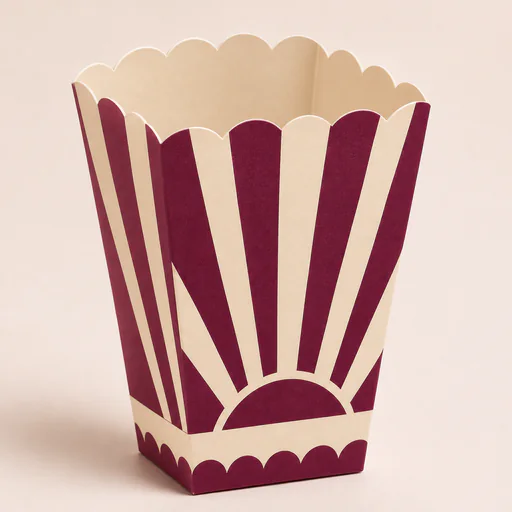
Custom Popcorn Boxes
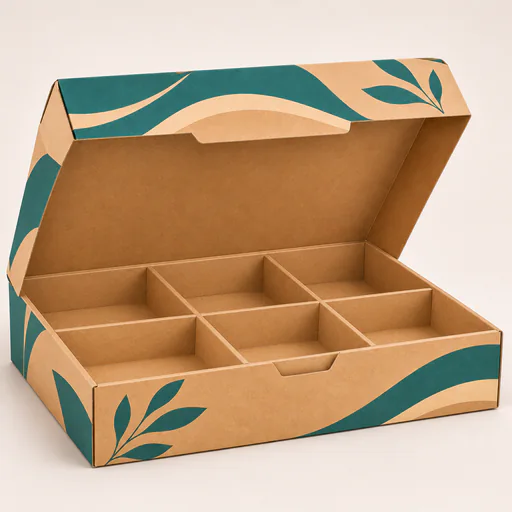
Custom Catering Boxes
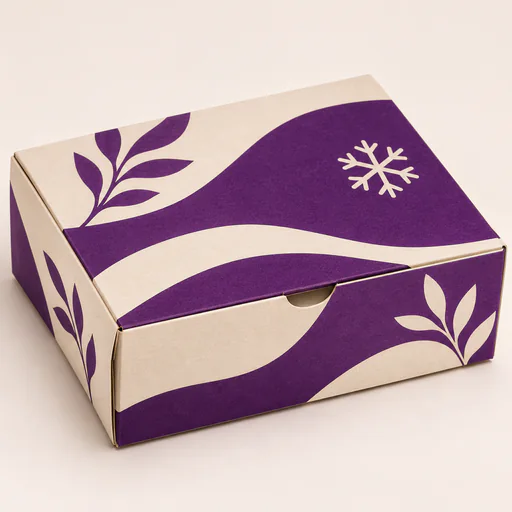
Custom Frozen Food Boxes
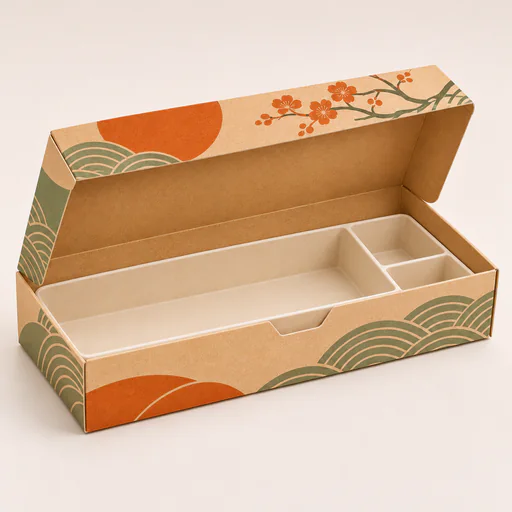
Custom Sushi Boxes
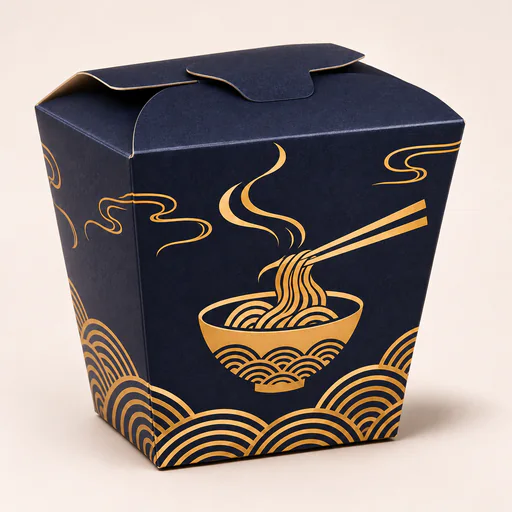
Custom Noodle Boxes
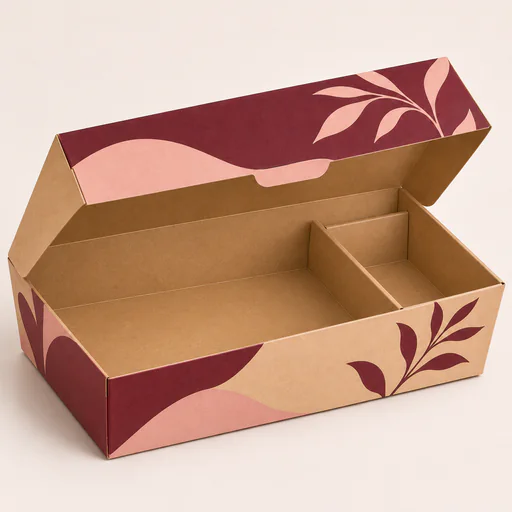
Custom Salad Boxes
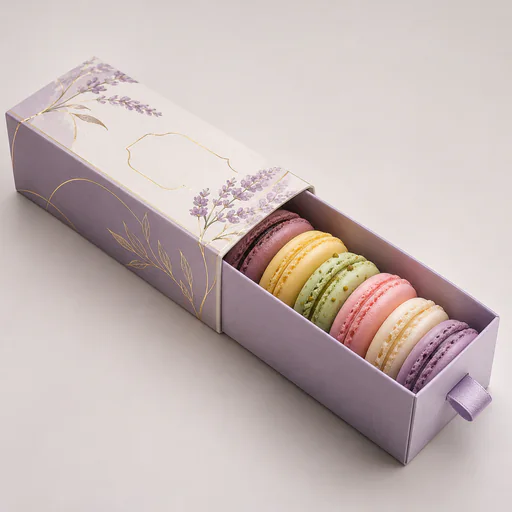
Custom Macaron Boxes
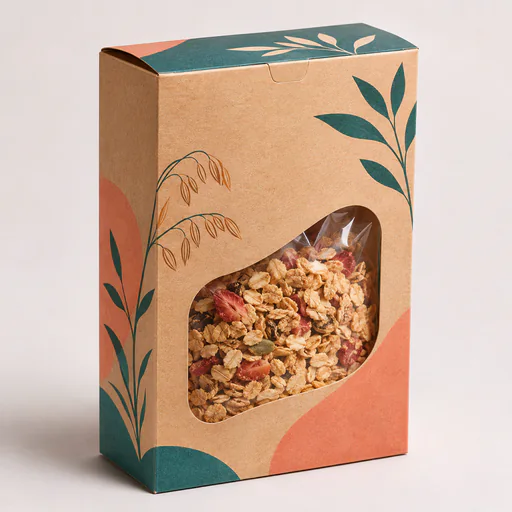
Custom Cereal Boxes
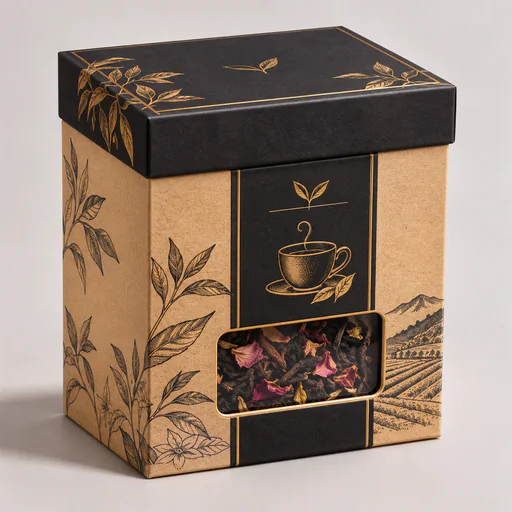
Custom Tea Boxes
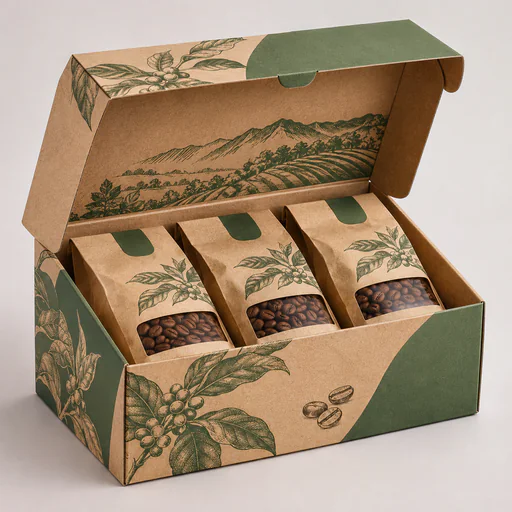
Custom Coffee Boxes
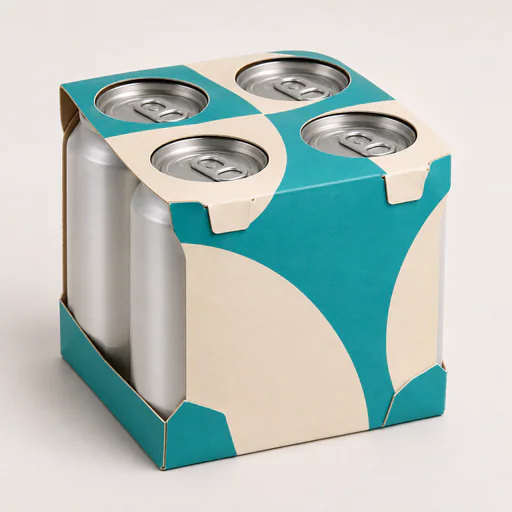
Custom Can Packaging
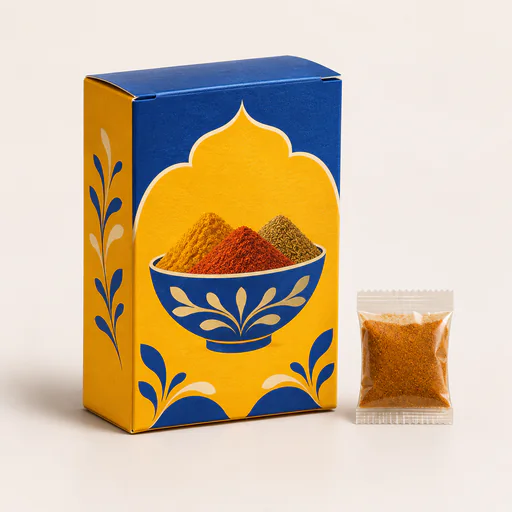
Custom Spice Boxes
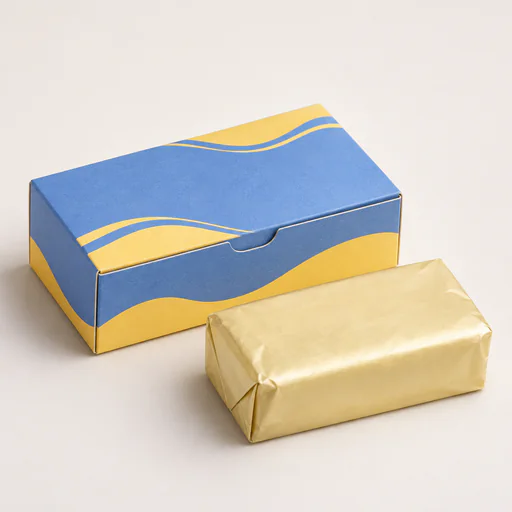
Custom Butter Boxes
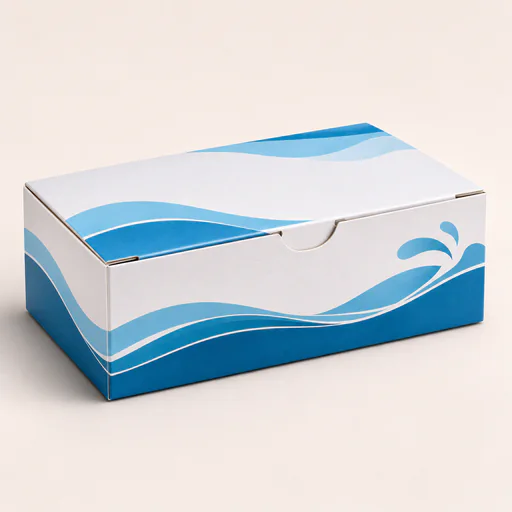
Custom Shrimp Boxes
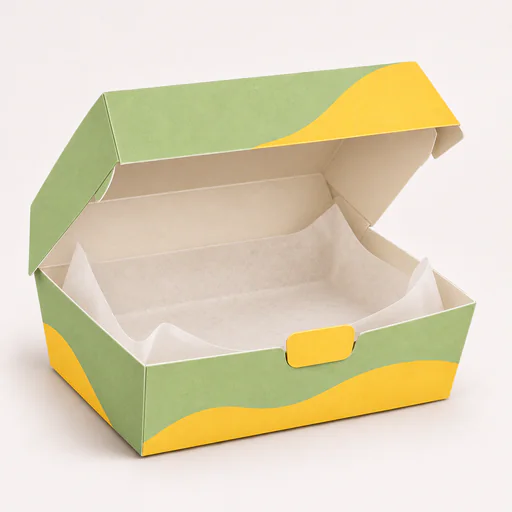
Custom Taco Boxes
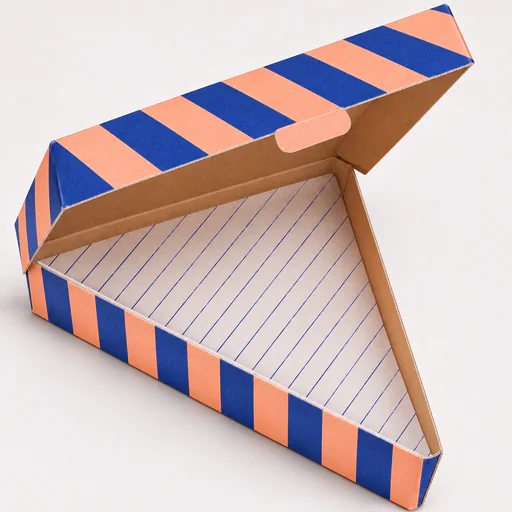
Custom Pizza Slice Boxes
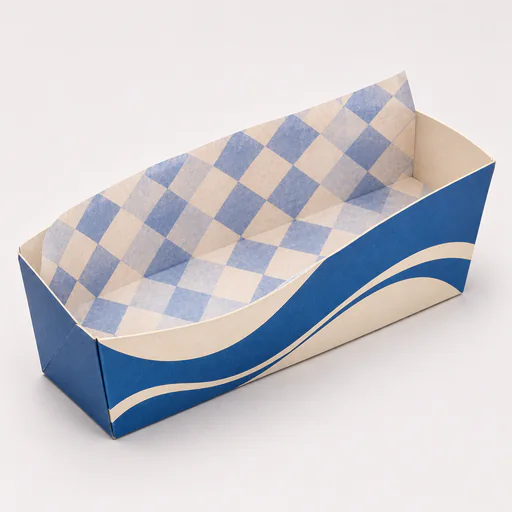
Custom Hot Dog Sleeve Boxes
Materials and options
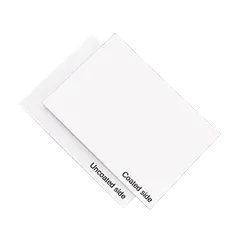
Coated paperboard
A smooth surface for full-color artwork on folding cartons and sleeves.
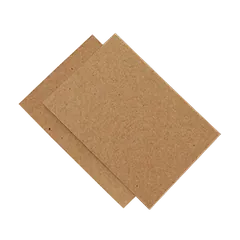
Kraft board
A natural finish for printed cartons. Check how your ink looks on the brown stock.
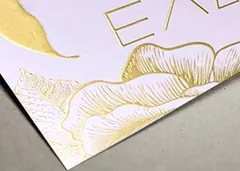
Foil stamping
Add a metallic detail to a logo or motif. Use a proof to check fine lines and placement.
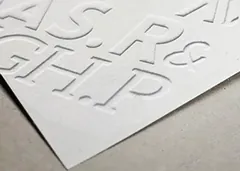
Embossing
Raise a detail on the surface. Confirm that it clears inserts and creases.
Compare every board, coating, finish and add-on in the packaging Option Library.
Buying guide
What makes packaging food-safe
Any surface that touches food must be food-contact grade: virgin-fiber board or certified recycled board, food-safe inks on the inside and coatings tested for migration. Oily and moist foods also need a grease-resistant barrier on the inside surface.
Dry foods such as cereal, tea and coffee usually sit in a sealed inner bag or pouch, so the box itself does not touch the food and can be made from recycled board.
Choosing a format
Bakeries mostly use lock-corner bakery boxes, cake boxes with windows and cupcake boxes with inserts. Restaurants and takeaways need pizza boxes and takeout pails that hold heat and grease, while confectioners and gift brands use chocolate, macaron and cookie boxes with cavity trays.
Packaged food brands on retail shelves rely on folding cartons such as cereal boxes, tea boxes and coffee boxes, which carry nutrition and ingredient panels as well as the brand.
Specify contact, temperature and holding time
List the surfaces that touch the food and any primary tray or wrapper. Food-contact requirements depend on the intended conditions, including food type, fat or moisture, temperature and holding time. Share those details before approving board, coatings or print placement.
For hot takeaway, compare heat loss with steam release using the complete delivery pack. For chilled packs, check condensation and window visibility. Frozen shelf cartons should be sampled through the expected freeze and thaw cycle and are separate from an insulated shipping system.
Test the complete pack at service
Take measurements from the finished portion, including cake boards, cup rims, sauce containers and garnishes. A lid that clears an empty tray may touch the real portion. A window and ventilation cutouts can change stiffness.
Load a full stack at the intended service temperature and carry it for the expected distance or dwell time. Inspect base deflection, locking tabs, grease marks and whether the product moves. Record the approved fill and handling conditions for the next run.
Guides for this range
Custom Food Packaging is one part of the range made by Custom Boxes. Compare every format on the custom box types page, or browse packaging by industry.
Custom Food Packaging questions
Is your food packaging food safe?
Yes. Surfaces that touch food use food-contact board, inks and coatings, and oily foods get a grease-resistant barrier.
Can food boxes be recycled?
Clean boxes can. Heavily soiled pizza and takeaway boxes may need to go in food waste or general waste, depending on local rules.
Can I order food packaging in small quantities?
Yes. Every format starts at one box, so bakeries and new food brands can order what they need.